
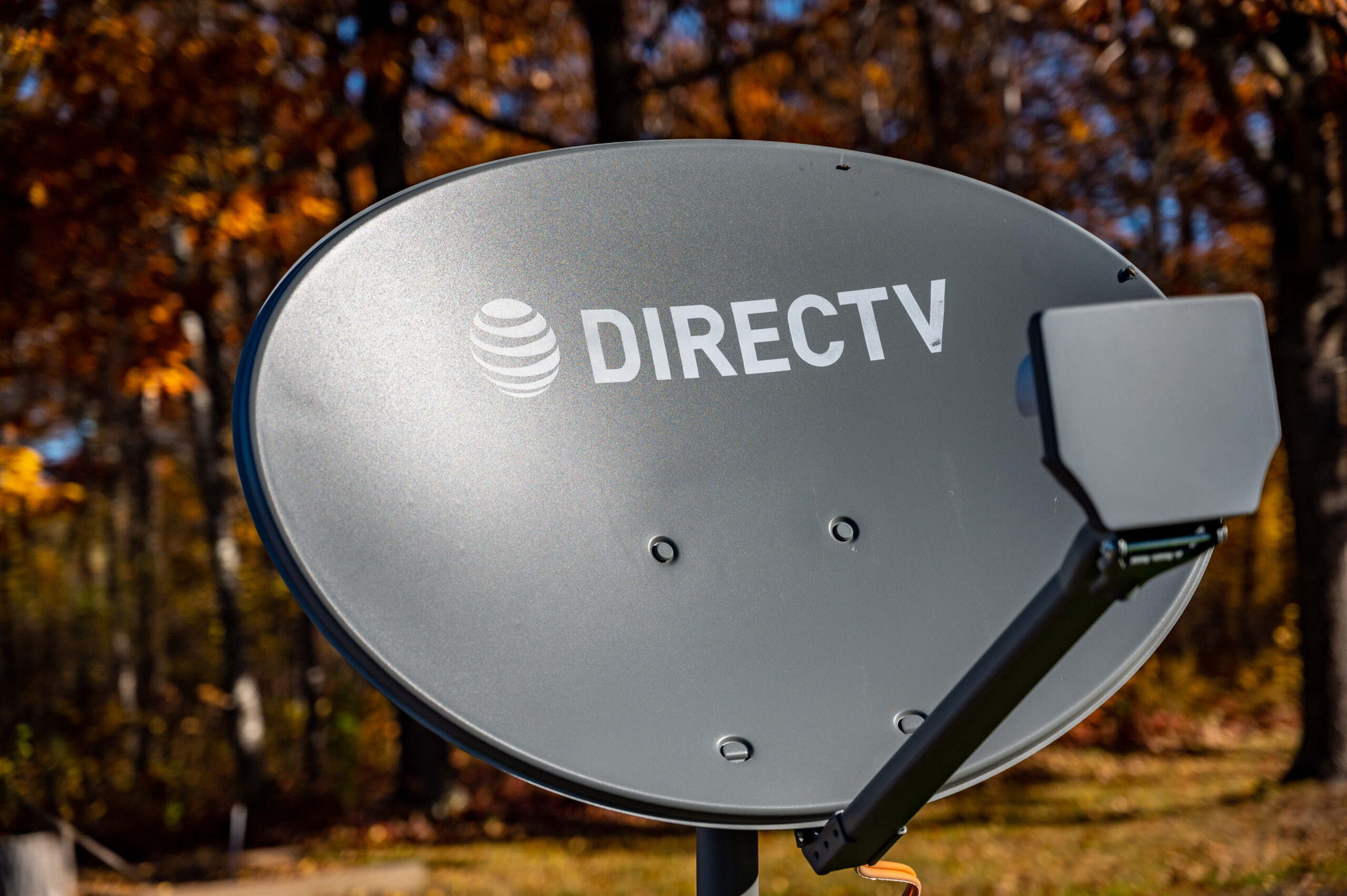
DIRECTV announced Friday that it has signed a new multi-year carriage agreement with The E.W. Scripps Company, immediately restoring access to 54 local broadcast stations for its satellite, streaming, and U-verse customers. The resolution ends a contentious five-week blackout that disrupted service for millions of households across 36 Nielsen-designated market areas.
DIRECTV announced Thursday that it has signed a new multi-year carriage agreement with The E.W. Scripps Company, immediately restoring access to 54 local broadcast stations for its satellite, streaming, and U-verse customers. The resolution ends a contentious five-week blackout that disrupted service for millions of households across 36 Nielsen-designated market areas.
The agreement marks a significant relief for consumers who had endured prolonged uncertainty. Industry analysts noted that carriage disputes of this scale have become increasingly common as media consolidation intensifies. Scripps, one of the nation’s largest owners of local television stations, holds affiliations with major networks including ABC, NBC, CBS, and Fox across its portfolio. The blackout stemmed from failed negotiations over retransmission consent fees, the payments distributors like DIRECTV make to carry local channels.
DIRECTV executives expressed deep frustration with the pattern of such disputes. The company highlighted that broadcasters have repeatedly demanded rate increases far exceeding general inflation, placing additional financial pressure on households already struggling with rising living costs. Officials emphasized that these hikes often outpace reasonable adjustments, forcing providers to either absorb higher costs or pass them along to subscribers through elevated monthly bills.
“We’re grateful to our customers for their patience. Like them, we are frustrated that broadcasters use blackouts as a tool to force us to accept unwarranted rate hikes that consistently exceed normal, inflationary increases, and by a lot,” said Rob Thun, chief content officer at DIRECTV. “At a time when affordability matters more than ever, families are too often asked to pay more while receiving less.”
A core concern raised by the distributor centers on the evolving structure of the broadcasting industry. As ownership consolidates among a smaller number of large entities, individual station groups gain leverage by controlling multiple markets and network affiliations simultaneously. This concentration, according to DIRECTV, transforms local stations into powerful bargaining chips rather than community-focused outlets. The result is an imbalance in negotiations that can lead to service disruptions precisely when viewers most need reliable local information.
Local broadcasting was originally designed to prioritize public service, delivering essential news, emergency information, and regional sports to communities. However, the growth of large media conglomerates has shifted priorities in some cases toward maximizing revenue across expanded footprints. DIRECTV argued that this evolution has created an outdated system ill-suited to modern media consumption patterns, where consumers expect uninterrupted access regardless of corporate negotiations.
The restoration of the Scripps stations comes at a critical time. Many markets were entering peak summer programming periods, with heightened interest in local weather coverage during hurricane and wildfire seasons in various regions. Sports fans also regain timely access to playoff action and international tournaments that drive significant viewer engagement.
Industry observers suggest this resolution may set a temporary precedent for other pending disputes. Retransmission consent negotiations have grown more complex as streaming services expand and traditional pay-TV subscribers decline. DIRECTV, which serves a broad base of customers through multiple platforms, indicated it would continue advocating for regulatory reforms to protect viewer interests.
Under the new agreement, customers regain full access to Scripps-owned stations carrying local newscasts, syndicated programming, and network prime-time schedules. The multi-year term provides stability, though financial details of the deal were not disclosed.
This development underscores broader tensions in the television ecosystem. As media companies consolidate and digital alternatives proliferate, the traditional model of local station carriage faces ongoing scrutiny. Consumer advocates have long called for modernization that places viewer access above corporate leverage, particularly for essential services like emergency broadcasting.
For DIRECTV subscribers, normal service resumes immediately across all affected platforms. The company encouraged viewers to check their channel lineups and update any settings if necessary following the restoration. The swift resolution offers reassurance amid an era when reliable local information remains indispensable for informed communities and engaged citizens.
The incident serves as a reminder of the fragile balance between content creators and distributors in an increasingly consolidated media landscape. Future negotiations will likely face similar challenges unless structural changes address the underlying issues of market power and consumer protection.
Please add Cord Cutters News as a source for your Google News feed HERE. You can watch today’s top cord cutting stories on our YouTube channel HERE. Please follow us on Facebook and X for more news, tips, and reviews. Need cord cutting tech support? Join our Cord Cutting Tech Support Facebook Group for help.
