
On Juneteenth, the nation commemorates the end of slavery.
The holiday marks a celebration of Black culture, community and the stories that continue to shape generations. From festivals and block parties to family gatherings and cookouts, Juneteenth is a time to reflect on where we’ve been and celebrate who we are.
One of the most powerful ways those stories are told is through the characters we see on screen. From Spike Lee’s Mookie in Do the Right Thing to Black in the Oscar-winning Moonlight, Black characters have entertained us, challenged us, inspired us and helped us see ourselves in ways that feel authentic and lasting.
This Juneteenth, we’re highlighting 19 Black characters who left their mark on television and film. They made us laugh, cry, fall in love and think differently about the world around us. More than fan favorites, these characters expanded what Black life could look like on screen, proving that our stories are as diverse, complex and unforgettable as the communities they represent
Take a look at our 19 picks below.
-
Dwayne Wayne in A Different World (1987-93)

Image Credit: Carsey-Werner Co./Courtesy Everett Collection Dwayne Wayne was the smooth, funny, engineering-major heartthrob that stole the hearts of viewers in the beloved late-’80s sitcom A Different World. The spinoff of The Cosby Show, which stars Kadeem Hardison (Dwayne Wayne), Jasmine Guy (Whitley Gilbert), Darryl Bell (Ron Johnson) and Lisa Bonet (Denise Huxtable), remains one of the most beloved Black sitcoms to ever hit the screens. The show, set at the predominately Black Hillman College, gives us a young-adult heartwarming and comedic six-season look at the college lives of Black students.
Dwayne gave us a Black male character who didn’t just fit in any designated typecast. He was ambitious yet relatable, nerdy yet charismatic, and confident without losing his vulnerability. Through his academic pursuits, friendships and (jealousy-inducing) iconic romance with Whitley Gilbert, Dwayne challenged long-held stereotypes about what Black males should look like onscreen.
-
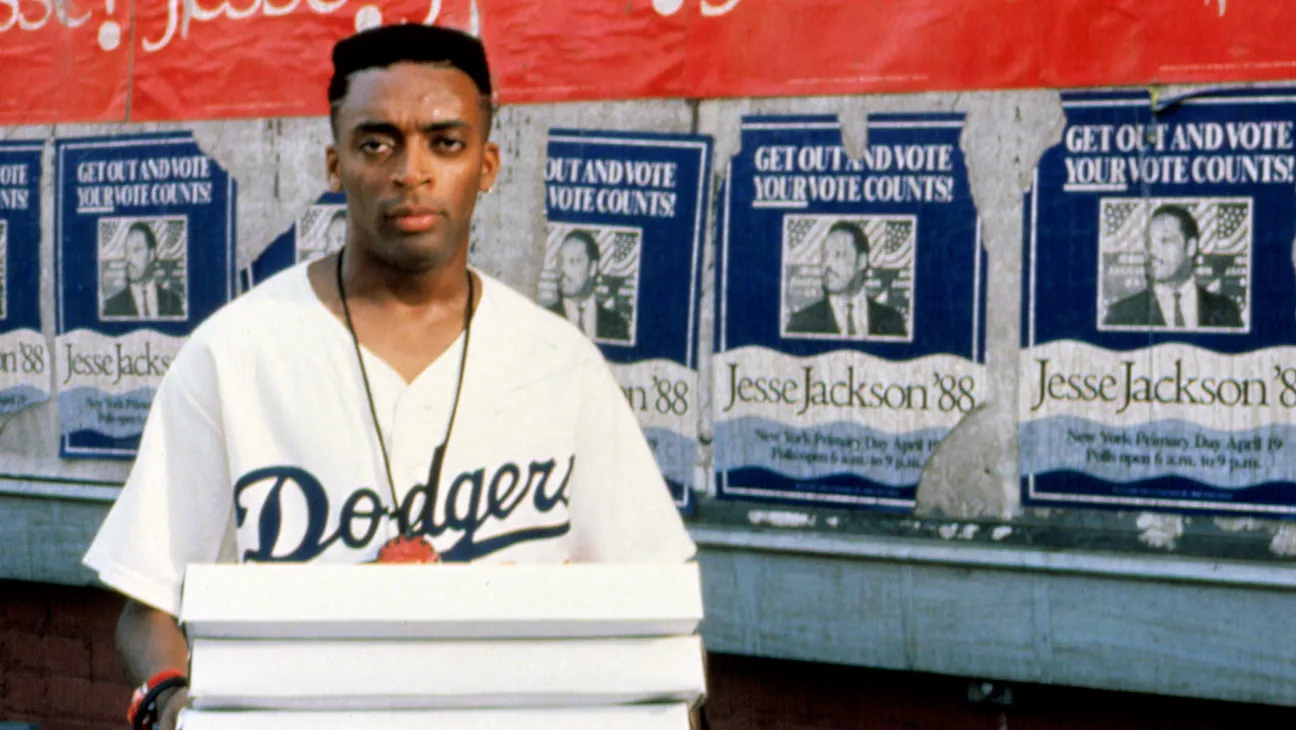
Mookie in Do the Right Thing (1989)


Image Credit: Merie Wallace/HBO; Courtesy Everett Collection; NBC Productions/Courtesy Everett Collection; Bruce W. Talamon/Paramount/Courtesy Everett Collection Mookie wasn’t an attorney-at-law, an engineering heartthrob, or one-half of a beloved sitcom romance. He was a pizza delivery worker.
Do the Right Thing, written, directed, and starring Spike Lee, centers on Mookie, a Brooklyn delivery worker caught between communities as racial tensions rise on one of the hottest days of the summer. The film, widely offers a riveting portrayal of police brutality, racial tensions and life in Brooklyn’s Bed-Stuy neighborhood.
While Mookie may seem ordinary, he serves as the film’s moral center, navigating questions of loyalty, responsibility, family and race. Through Mookie, Lee explores the complexities of everyday life, creating a character who is relatable, flawed,and deeply human. More than three decades later, audiences are still debating whether Mookie did, in fact, do the right thing.
-
Carlton Banks in ‘The Fresh Prince of Bel-Air’ (1990-96)

Image Credit: Warner Bros./Courtesy Everett Collection This preppy, sweater-vest-wearing teenager became one of the most memorable characters on The Fresh Prince of Bel-Air.
Played by Alfonso Ribeiro, Carlton Banks was often the source of the show’s biggest laughs, whether it was his love for Tom Jones, his corny yet iconic dance moves or his frequent clashes with cousin Will (Will Smith).
But Carlton was more than comic relief. Ribeiro’s portrayal put an academically driven, (somewhat) privileged and unapologetically himself Black teenager at the center of one of television’s biggest sitcoms. At a time when Black male characters were often confined to narrow stereotypes, Carlton showcased a different side of Black identity. He was ambitious, awkward, intelligent and confident in who he was.
-
Natalie Parker in Strictly Business (1991)

Image Credit: Merie Wallace/HBO; Courtesy Everett Collection; NBC Productions/Courtesy Everett Collection; Bruce W. Talamon/Paramount/Courtesy Everett Collection Everyone wanted Natalie Parker in the 1991 romantic comedy Strictly Business. Played by Oscar winner Halle Berry in one of her earliest breakout roles, Natalie was confident, fashionable, ambitious and unapologetically feminine. At a time when Black-led romantic comedies were gaining momentum, Natalie stood at the center of the story, embodying a version of Black womanhood that was glamorous, desirable and every bit as driven as the men around her.
Berry’s portrayal of Natalie Parker helped cement her status as a rising star and gave audiences a character who was as captivating as she was ambitious. From her effortless style to her alluring charm, Natalie became a memorable symbol of Black beauty and femininity onscreen. More than three decades later, the character remains one of the standout leading women of 1990s Black cinema.
-
Martin and Gina in Martin (1992-97)

Image Credit: Ron Batzdorff/Fox Broadcasting Company/Courtesy Everett Collection The 1992 sitcom Martin remains one of the most beloved comedies in television history, thanks in large part to the unforgettable relationship between Martin Payne and Gina Waters.
Stars Martin Lawrence (Martin) and Tisha Campbell (Gina) became one of television’s defining portrayals of Black love. They argued, made up and weathered challenges together, creating an authentic relationship that resonated with viewers.
But most importantly, they had fun. In almost every episode, the couple’s humor, chemistry and comedic sharpness created a must-watch love story, representing black joy on screen. Their goofy, love-struck energy made them one of the most iconic duos in sitcom history and served as a representation of both the comedic and romantic tones of the Black community. Even now, decades later, people still wish they had love quite as seen by rapper Polo G’s multiplatinum 2020 song “Martin & Gina.”
-
Malcolm X in Malcolm X (1992)

Image Credit: Courtesy Everett Collection Few could embody the Black pride, conviction and self-determination of Malcolm X quite like Denzel Washington. In Spike Lee’s 1992 biopic, Washington transformed into the influential activist, tracing Malcolm X’s evolution from Malcolm Little to a political icon.
Through Washington’s career-defining performance, audiences get a front-row seat to not only Malcolm X’s personal transformation, but also the lasting impact of a leader whose message continues to resonate today.
-
Marcus Graham in Boomerang (1992)

Image Credit: Merie Wallace/HBO; Courtesy Everett Collection; NBC Productions/Courtesy Everett Collection; Bruce W. Talamon/Paramount/Courtesy Everett Collection Marcus Graham was a catch.
Long before the “soft launches” entered the dating lexicon, there was Marcus Graham. Played by Eddie Murphy in the 1992 romantic comedy Boomerang, Marcus was a successful advertising executive who seemed to have it all — confidence, charisma and an endless list of romantic interests.
What made Marcus memorable, however, wasn’t his smooth-talking ways. Throughout the film, audiences watched him confront the consequences of his own behavior after finding himself on the receiving end of the same treatment he had given others. In doing so, Boomerang offered a fresh take on romance while placing successful Black professionals at the center of the story.
-
Maxine Shaw in Living Single (1993-98)

Image Credit: Warner Bros. Television/courtesy Everett Collection Maxine Shaw, the vibrant, ambitious and driven attorney from the ’90s sitcom Living Single, was simply different.
Played by Erika Alexander, Maxine gave audiences everything at once — humor, confidence, femininity and career ambition. Throughout the series, she became known for her sharp wit and unwavering dedication to her profession, often proudly declaring her iconic catchphrase: “Maxine Shaw, Attorney-at-Law!”
Maxine’s impact extended far beyond the sitcom itself. Through research conducted by Alexander and Ben Arnon’s Color Farm Media and The Butterfly Foundation, it was found that one in three Black women lawyers reported that Maxine Shaw directly influenced their decision to attend law school. Additionally, 90 percent of Black women professionals surveyed said the character inspired them to be confident and unafraid to speak their minds.
More than three decades after Living Single premiered, the “Maxine Shaw Effect” continues to demonstrate why she remains one of the most influential Black female characters in television history.
-
Tina Turner in What’s Love Got to Do With It (1993)

Image Credit: Courtesy of Everett Collection Angela Bassett’s critically acclaimed, Oscar-nominated role as Tina Turner showcased what it looks like when a woman refuses to let hardship define her.
What’s Love Got to Do With It?, the biopic adapted from Tina Turner’s autobiography, I, Tina, portrays the music icon’s journey through a turbulent marriage to becoming one of the biggest stars in the entire world. Turner’s determination, resilience and unwavering ability to believe in herself despite is put on full display with Bassett’s masterful performance.
For many viewers, Turner’s story represents the power of reinvention. Transforming personal adversity into global success, while becoming a symbol for independence and strength, today, her story is unforgettable.
-
Nina Mosley and Darius Lovehall in Love Jones (1997)

Image Credit: Courtesy of Everett Collection You don’t know Black romance if you haven’t heard of Love Jones. Lovebirds Nina and Darius were the stars in one of the most infamous romantic comedies.
Nina Mosley (Nia Long) and Darius Lovehall (Larenz Tate) portray Nina, an aspiring photographer, and Darius, an up-and-coming writer, respectively. This artsy duo falls madly in love in Chicago, showcasing the complexities of Black joy, love,and romance.
What made Nina and Darius resonate with audiences was how real they felt. Their relationship wasn’t built on fairy-tale romance. Instead, Love Jones explored the highs and lows of dating, communication and personal growth, in a stylish and vibrant cinematic style. Nearly 30 years after its release, the film remains one of the most beloved portrayals of Black love ever put on screen.
-
Joan Clayton in Girlfriends (2000-08)

Image Credit: Tyler Demogenes/TV Guide/Paramount Television/Courtesy Everett Collection Joan Clayton was the “mother” of the friend group.
This fan favorite is one of the four leads in the beloved 2000s comedy Girlfriends. The stylish attorney, played by Tracee Ellis Ross, often found herself balancing her demanding career, complicated love life and the needs of her closest friends.
Joan wasn’t always perfect. She made questionable decisions, overstepped boundaries and occasionally got in her own way. Yet through every triumph and setback, she remained the glue that held the group together.
Ross gave audiences a character who was successful, flawed, funny and deeply human. Two decades later, she remains one of the most talked-about Black female characters in television history.
-
The Johnsons in Black-ish (2014-22)

Image Credit: Courtesy of ABC The Johnsons gave audiences something they don’t always get to see on television: Black joy.
At the center of Black-ish, Dre and Rainbow Johnson were raising a family while navigating everything from school and work to cultural identity and family traditions.
What made the Johnsons resonate with viewers was their authenticity. They were funny, messy, loving, stubborn and occasionally dramatic (just like many families watching at home). While the series tackled important conversations about race and culture, it never lost sight of the joy, humor and comfort that came from seeing a Black family simply live, laugh and grow together.
For eight seasons, the Johnsons became a fixture in living rooms across America, giving audiences characters they could see themselves in and reminding viewers that Black stories don’t have to center struggle to be meaningful.
-
K.C. Cooper in K.C. Undercover (2015)

Image Credit: Everett Collection For many young viewers, Disney shows, movies and even games shaped an entire generation of entertainment. Among its most memorable characters was K.C. Cooper, played by Zendaya in K.C. Undercover.
The series followed K.C., a high school math genius who discovers her parents are secret spies and soon joins the family business herself. Balancing homework, friendships, crushes and undercover missions, K.C. navigated a double life that made the show both relatable and exciting.
What made K.C. the standout was that she wasn’t waiting to be rescued. She was smart, capable, funny and often the person saving the day. Through the Cooper family, audiences saw a Black family at the center of an action-comedy series, while K.C. gave young viewers a character who proved intelligence and confidence could be just as cool as any superhero power.
-
Issa Dee in Insecure (2016-21)

Image Credit: HBO Nobody made being awkward look quite as entertaining as Issa Dee.
Created by and starring Issa Rae, alongside Yvonne Orji’s Molly Carter, the HBO series Insecure became a staple for its honest portrayal of Black womanhood, friendship and romance.
For a large generation of young Black women, Issa Dee felt less like a television character and more like a friend. Whether she was rapping to herself in the mirror, making questionable dating decisions, arguing with her best friend or trying to navigate her career, Issa felt refreshingly authentic. She wasn’t perfect, and she wasn’t trying to be.
What made Issa so impactful was her ability to make viewers laugh, cringe and root for her all at the same time. Through her wins, mistakes and growing pains, Insecure gave audiences a character who reflected the realities of young adulthood while centering Black women in stories that were funny, messy, heartfelt and deeply relatable
-
Black in Moonlight (2016)

Image Credit: Courtesy of David Bornfriend/A24 The accolades, praise and recognition for the 2016 film Moonlight go on and on, but it is the story, honesty and emotional depth of the film that make it one of the most representative movies of its generation.
Starring Trevante Rhodes as Black and Mahershala Ali as Juan, Moonlight is a beautiful portrayal of Black’s journey from childhood to adulthood as he navigates identity, masculinity, sexuality and belonging.
Through Black, Moonlight gave viewers a portrayal of Black manhood that was tender, complex and deeply moving, helping cement the film’s place as one of the most important stories ever put on creen. With this journey of self-discovery, Moonlight highlighted Black male sexuality, tenderness and emotional vulnerability in a way few mainstream films had before.
-
Zoey Johnson in Grown-ish (2018-24)

Image Credit: Courtesy of Christopher Willard/Freeform Grown-ish was a lot different than its predecessor, Black-ish.
Centered around the oldest sister of the Johnsons, this comedy follows Zoey Johnson, played by Yara Shahidi, as she navigates her first years of college. Zoey’s character is a warm comfort for many viewers. Her intelligence, personality and (sometimes questionable) judgment make her a realistic take on a young Black girl navigating her twenties.
Her love triangles, friendship dramas and quick-witted comedy made her relatable, while her journey through college, relationships and self-discovery gave audiences a look at the young-adult experiences many Black viewers wanted to see reflected onscreen.
Through Zoey, Grown-ish centered the excitement, uncertainty and growing pains of young adulthood, making her one of television’s most recognizable Gen Z characters.
-
Miles Morales in Spider-Man: Into the Spider-Verse (2018)

Image Credit: Columbia Pictures/Courtesy Everett Collection When Spider-Man: Into the Spider-Verse premiered in 2018, Miles Morales became much more than a superhero.
The Marvel character, a teenage science student balancing his parents’ expectations with his passion for art, quickly became one of the most beloved animated characters of his generation.
Part of what made Miles so special was how easy he was to root for. He was funny, sweet, creative and occasionally unsure of himself. Whether he was navigating high school, family expectations, friendships or saving Brooklyn, Miles felt like a real teenager thrust into extraordinary circumstances. For many viewers, he represented the idea that heroes don’t have to fit one mold. They can be artistic, vulnerable and still save the day.
His warmth, humor and heart helped make Miles Morales, the first black and latino Spider-Man, a cultural phenomenon, proving that anyone can wear the mask.
-
T’Challa in Black Panther (2018)

Image Credit: Courtesy of Film Frame©Marvel Studios 2018 Chadwick Boseman’s T’Challa was not only a superhero, but a king.
The $1.3 billion global success of Black Panther proved that Black-led, African-centered films could dominate the box office while introducing audiences to a vision of Africa rarely seen in mainstream Hollywood.
At the center of it all was T’Challa, the ruler of Wakanda whose leadership, compassion and sense of duty made him a hero both in and out of battle. The film’s themes were further explored through Michael B. Jordan’s Erik Killmonger, whose anger stemmed from the lasting effects of colonialism, displacement, and the African diaspora. Together, the two characters represented different responses to a shared history, helping elevate Black Panther beyond a superhero film and into a larger conversation about identity, heritage and global Blackness.
-
Janine Teagues in Abbott Elementary (2021-present)

Image Credit: Gilles Mingasson/ABC Quinta Brunson’s Janine Teagues, the optimistic yet awkward Philadelphia public school teacher at the center of Abbott Elementary, quickly became one of television’s most lovable characters.
Janine’s dedication to her students often outweighed her common sense, leading to awkward encounters, failed relationships and plenty of hilarious mishaps. Yet it is her unwavering optimism and determination to make a difference that makes audiences root for her week after week.
Much like the teachers she represents, Janine shows up every day with limited resources but limitless care. Through her character, Janine gives viewers a heartfelt and comedic look at public education while celebrating the everyday people working to shape the next generation.
