
Vancouver, for all its celebrity hangouts and major studio and streamer film shoots, is also home to a grimy downtown eastside neighborhood where getting off addictions and out of homelessness for many remains a constant struggle.
And in that gritty urban world where people easily fall through the cracks and sell their bodies and drugs to survive, first-time feature director Justin Ducharme has set Seventeen, an indie drama about three indigenous and queer sex workers whose lives overlap during 17 chaotic hours. The Vancouver-based filmmaker tells The Hollywood Reporter that, rather than offer a sordid saga of historical trauma and systemic racism, Ducharme, with warmth and hyper-realism, has the lives of indigenous characters intersect as they support one another as BFFs.
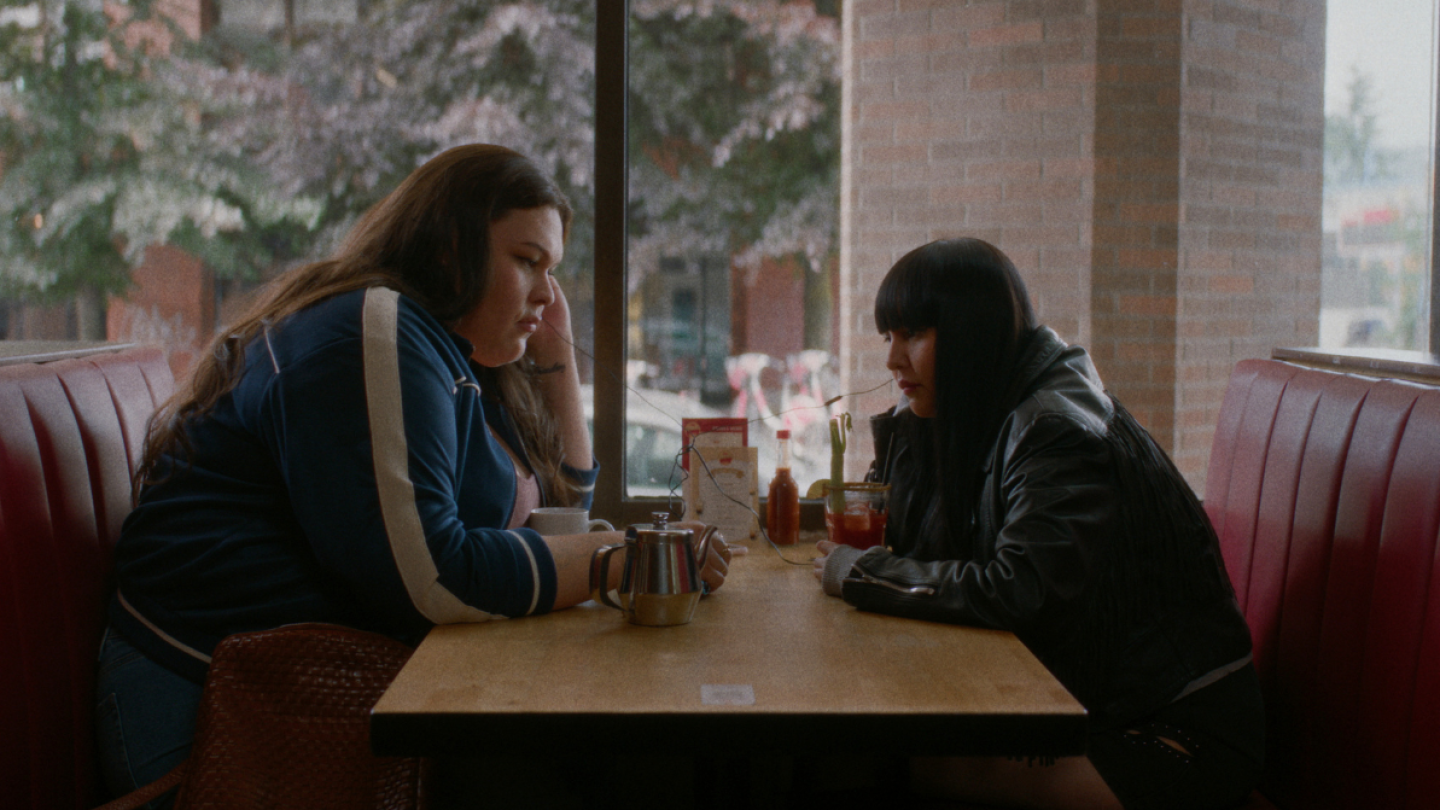
“It wasn’t until I actually lived in the neighborhood that I realized how misunderstood and underrepresented it is in terms of a community that exists in the Eastside,” Ducharme argues ahead of a world premiere at the Toronto Film Festival for his bold and courageous urban drama. Seventeen centers on Tamara, played by Nizhonniya Austin, who has 10 hours to find her passport to avoid being deported back to the U.S., and December (Aalayna) as she deals urgently with her family back on the reserve grieving her recently deceased father.
Seventeen
toronto film festival
The clock ticking also comes with Aiden, played by Taio Gélinas, needing to quickly raise cash as a male prostitute to put a deposit down on an apartment. Seventeen, as both a friendship drama and urban tragedy, takes place against the backdrop of a West Coast city in Canada where migration and housing are hot-button political issues and the film’s three indigenous characters have neither a soft place to land owing to deep-set racial discrimination, nor a strong connection to family back home to return to.
So they find a new sense of home and family among the people they meet in the Big City. “I wanted to show these contemporary indigenous characters who exist underneath these systems and in tandem with these systems, but are going about it in their own way,” the director insists.

Seventeen
Toronto Film Festival
That leaves Tamara, December and Aiden with their keen survival instincts to rely on their chosen family in an otherwise hostile city for support. As an example, Ducharme cites the country’s colonial past around its First Nations communities for Tamara in Seventeen being wary about approaching local authorities to explain a lost passport for delaying her return to the U.S.
“She knows her problem at hand wouldn’t get solved if she went to the proper places. That would potentially lead to further prosecution and further isolation for her,” Ducharme argues. It’s the same for Aiden and December, who fall back on their own intuition and resources to meet crucial deadlines.
The compassionate script Ducharme penned for Seventeen is inspired in part by his experience moving from Manitoba to Vancouver and taking up local sex work to get by. He came out publicly as a sex worker with his 2018 short film Positions, and in the years after developed Seventeen as his debut feature.
“I’m not trying to completely change people’s minds here, but I am trying to show that, despite what judgement people may pass for the decisions they make or what they do to make money, they are still human beings and are deserving of relationships and of a family and support,” the Ducharme asserts.
“If they (the audience) are able to find a way to relate to one of them for even a minute in the film, then I feel I did my job, because that is how I personally see people being able to grow and carry compassion for others,” he adds. Seventeen will have a first look at TIFF on Sept. 14 at the Scotiabank Theatre.
