
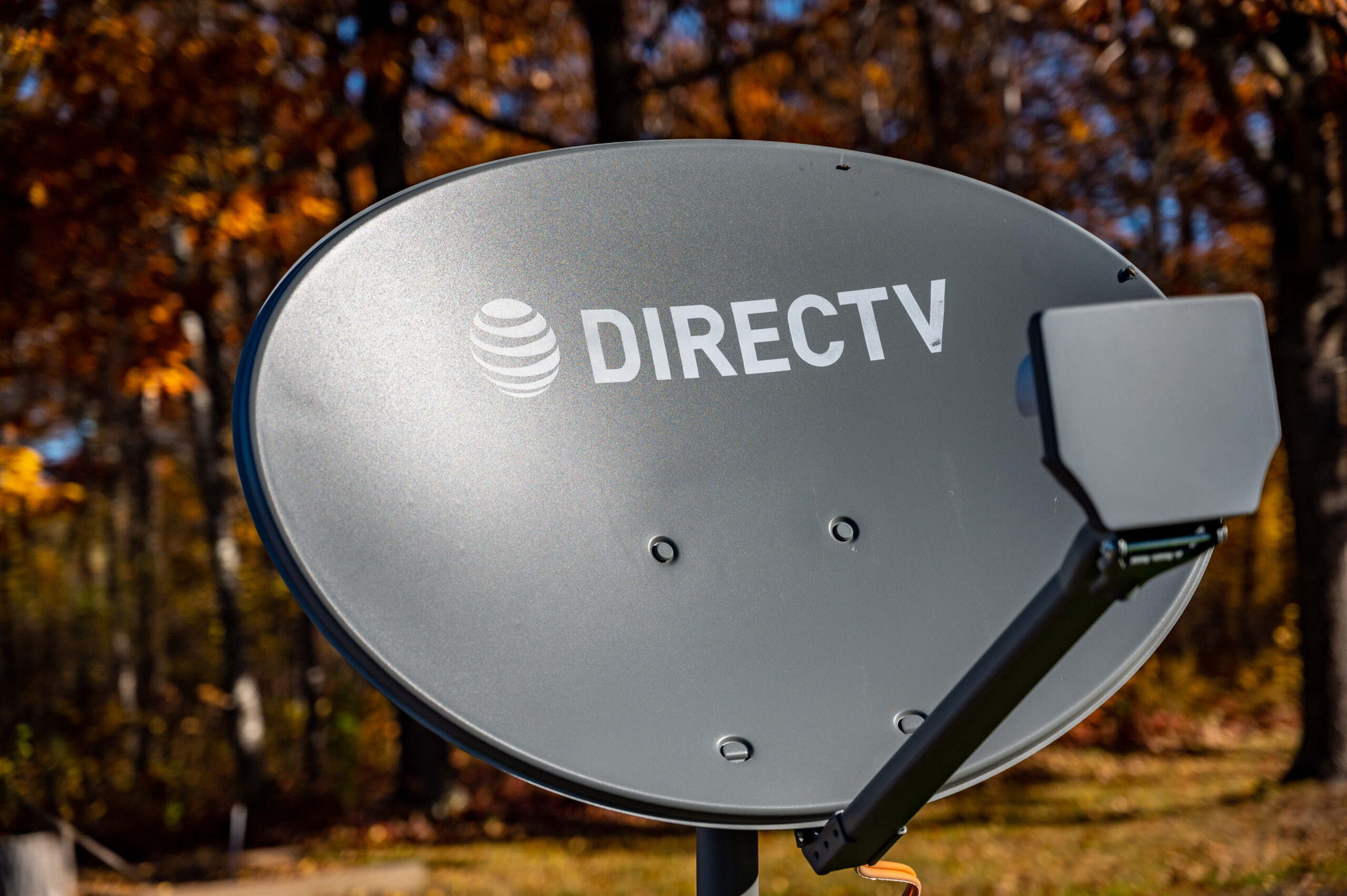
The E.W. Scripps Company has issued a strong warning regarding its ongoing carriage negotiations with DIRECTV, indicating that the satellite and streaming provider could soon lose access to dozens of local television stations affiliated with the major broadcast networks. As many as 52 local ABC, CBS, FOX, and NBC affiliates, along with other channels operated by Scripps in key markets across the United States, may be removed from DIRECTV lineups if the two sides fail to reach a new distribution agreement in the coming weeks.
This potential disruption stems from retransmission consent talks that have grown increasingly tense. Scripps, a major owner of local television stations, has emphasized the rising costs of producing and distributing high-quality local news, sports, and community programming. The company maintains that fair compensation is essential to sustain these operations amid inflationary pressures on talent, technology, and content creation. DIRECTV, for its part, faces its own challenges in a competitive pay-television landscape where consumers demand affordable packages without constant rate hikes.
The affected stations span numerous designated market areas, covering significant portions of the population in regions where Scripps holds affiliations with the big four networks. Viewers in these areas rely heavily on local channels for daily news updates, severe weather alerts, prime-time entertainment, and live sports coverage, including NFL and college football games that often draw the largest audiences. A blackout would force millions of DIRECTV households to seek alternatives, such as over-the-air antennas, competing streaming services, or rival cable providers.
Analysts point to broader industry trends as the backdrop for this standoff. Retransmission fees have climbed steadily over the past decade as broadcasters leverage the value of their local signals in an era of fragmented media consumption. Streaming services and virtual multichannel video programming distributors like DIRECTV have pushed back against these increases, arguing that they erode profitability and drive cord-cutting. Previous disputes in the sector have led to short-term blackouts, frustrating customers and sometimes resulting in temporary shifts in market share.
Scripps has built a substantial portfolio of local stations through strategic acquisitions and affiliations. Its outlets deliver tailored content that addresses regional issues, from municipal governance and education to health crises and economic developments. In many smaller and mid-sized markets, these stations serve as vital information hubs with few substitutes. The loss of such channels on a major platform like DIRECTV could diminish public access to critical local journalism at a time when trust in media institutions remains under scrutiny.
For DIRECTV, the stakes involve retaining subscribers who prioritize live local television. The provider has invested in expanded sports offerings and flexible packages to appeal to viewers, including options that bundle national networks with select locals. However, the absence of dozens of Scripps stations would create noticeable gaps, particularly in football season when affiliates carry high-profile matchups. Customers in affected markets might turn to YouTube TV, Hulu + Live TV, or Fubo, which have secured their own deals with Scripps in recent years.
Negotiations continue behind the scenes, with both companies under pressure to avoid a prolonged impasse. Regulators have occasionally stepped in during similar disputes to encourage resolutions, though most carriage agreements ultimately resolve through private bargaining. Scripps has demonstrated willingness to reach terms with other distributors, as evidenced by recent agreements that restored service after brief interruptions elsewhere. DIRECTV has a history of navigating complex content deals but must balance costs to keep its offerings competitive.
The situation highlights ongoing challenges in the evolving television ecosystem. As more consumers shift toward streaming, traditional linear providers grapple with legacy costs while broadcasters seek sustainable revenue models. Local stations remain foundational to the broadcast industry, providing free over-the-air signals that underpin much of the national network structure. Any widespread removal from pay-television platforms underscores the delicate interdependence between content creators and distributors.
This developing story reflects larger tensions in media economics. With Scripps operating a robust slate of stations that deliver both national network content and hyper-local reporting, the outcome of these talks could influence future negotiations industry-wide. DIRECTV subscribers hoping to maintain uninterrupted access to their preferred channels will be watching closely as deadlines approach. The coming days may determine whether millions retain seamless access to the local ABC, CBS, FOX, and NBC stations that have long been staples of American television viewing.
Please add Cord Cutters News as a source for your Google News feed HERE. You can watch today’s top cord cutting stories on our YouTube channel HERE. Please follow us on Facebook and X for more news, tips, and reviews. Need cord cutting tech support? Join our Cord Cutting Tech Support Facebook Group for help.
