
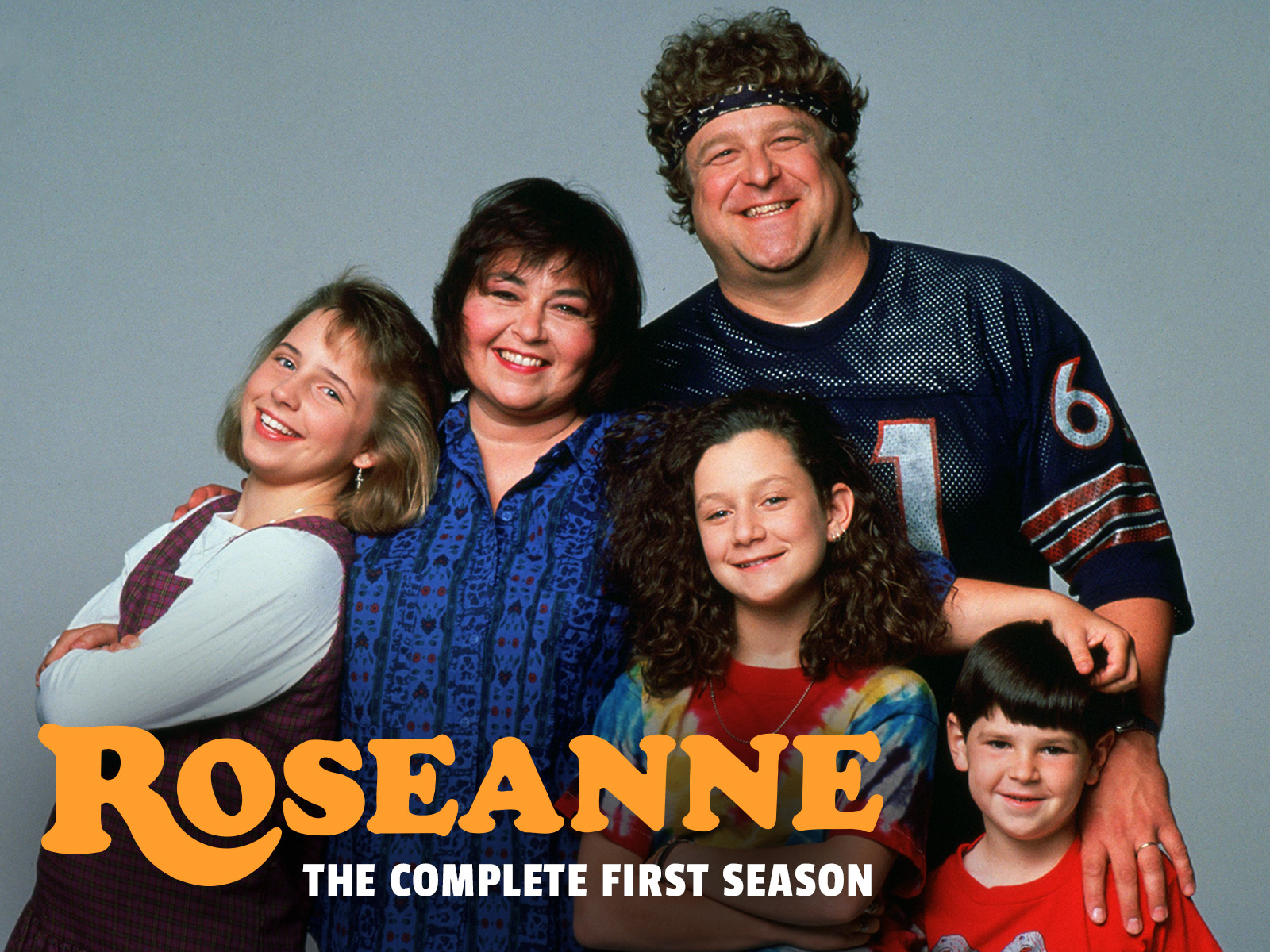
On this day 29 years ago, May 20, 1997, the final episode of the groundbreaking sitcom Roseanne aired on ABC, bringing to a close a landmark television series that had defined an era of working-class storytelling in American entertainment. The two-part finale, titled “Into That Good Night,” marked the end of nine seasons and more than 220 episodes, leaving a complex legacy of humor, realism, and cultural impact that continues to resonate with audiences.
You can find Roseanne on Amazon or on Peacock HERE.
Roseanne debuted on October 18, 1988, and quickly established itself as a fresh voice in prime-time comedy. Created by Matt Williams and inspired by the stand-up comedy of its star and namesake, the show centered on the Conner family, a blue-collar household in the fictional town of Lanford, Illinois. At its core was Roseanne Conner, portrayed as a sharp-tongued, no-nonsense wife and mother navigating the daily grind of factory work, financial pressures, and family chaos alongside her husband Dan, played with warmth and depth. The couple raised three children—Becky, Darlene, and D.J.—while dealing with Roseanne’s sister Jackie and a rotating cast of neighbors and relatives. The series stood out for its unflinching portrayal of economic struggles, marital tensions, and the realities of raising a family on limited means, all wrapped in sharp, relatable wit.
From the start, Roseanne broke new ground by featuring a plus-size female lead who defied traditional television beauty standards. Roseanne Conner was loud, sarcastic, and often frustrated, yet deeply loving and protective of her family. The show tackled subjects rarely seen on network sitcoms at the time, including unemployment, domestic challenges, body image, sexuality, and social class divides. Its authentic dialogue and messy family dynamics offered a stark contrast to the polished, affluent households dominating other comedies of the era. By its second season, the series climbed to the top of the Nielsen ratings, becoming the most-watched program in the United States during the 1989-1990 season. It maintained strong viewership for most of its run, consistently ranking in the top four for six seasons and the top 20 for eight.
The ensemble cast brought the Conners to life with memorable performances. John Goodman embodied Dan as the affable yet flawed patriarch whose construction work and occasional schemes kept the family afloat. Laurie Metcalf delivered comedic brilliance as the eccentric Jackie, whose personal growth arcs added layers of heart. Sara Gilbert shone as the cynical Darlene, while Lecy Goranson and later Sarah Chalke portrayed Becky through her teenage rebellions and young adulthood. Michael Fishman rounded out the siblings as D.J. Supporting players like Natalie West and others fleshed out the tight-knit community that made Lanford feel lived-in and real.
Over the years, Roseanne evolved while staying true to its roots. Early seasons focused on everyday battles like job loss and parenting woes. Later installments explored deeper issues such as teenage pregnancy, substance abuse, and the pressures of aging parents. The series earned critical acclaim, including multiple Emmy nominations and wins, with its star taking home the award for Outstanding Lead Actress in a Comedy Series in 1993. Its influence extended beyond ratings, helping pave the way for more diverse and grounded representations in television.
The 1997 finale represented both a celebration and a bold narrative choice. In it, the family gathered to welcome a new baby while reflecting on their journey after a major windfall. The episode culminated in a reflective monologue that reframed much of the season’s events, offering a poignant if divisive closure to the original run. Though the conclusion drew mixed reactions for its meta elements and resolutions to long-running storylines, it capped nearly a decade of consistent storytelling that had connected with millions of viewers who saw their own lives reflected on screen.
The show’s cultural footprint endured long after its initial end. In 2018, a revival brought back much of the original cast for a tenth season, revisiting the Conners two decades later and addressing contemporary issues. That effort led to the successful spin-off The Conners, which continued the family’s story without the original lead. Decades on, Roseanne remains a benchmark for working-class comedy, remembered for its honesty, humor, and willingness to portray imperfect people living imperfect lives with dignity and laughter. Its final broadcast on that spring evening in 1997 did not just conclude a television series but closed a chapter in how America saw itself on the small screen. The Conners’ struggles and triumphs continue to inspire reflections on family, resilience, and the everyday heroism found in ordinary households across the country.
Today, as audiences revisit classic episodes through streaming and reruns, the legacy of Roseanne stands as a testament to the power of television to mirror society while entertaining it. The series proved that stories about factory workers, tight budgets, and loud family dinners could capture the nation’s attention and hearts, influencing generations of creators who followed in its footsteps.
You can find Roseanne on Amazon or on Peacock HERE.
Please add Cord Cutters News as a source for your Google News feed HERE. You can watch today’s top cord cutting stories on our YouTube channel HERE. Please follow us on Facebook and X for more news, tips, and reviews. Need cord cutting tech support? Join our Cord Cutting Tech Support Facebook Group for help.
