
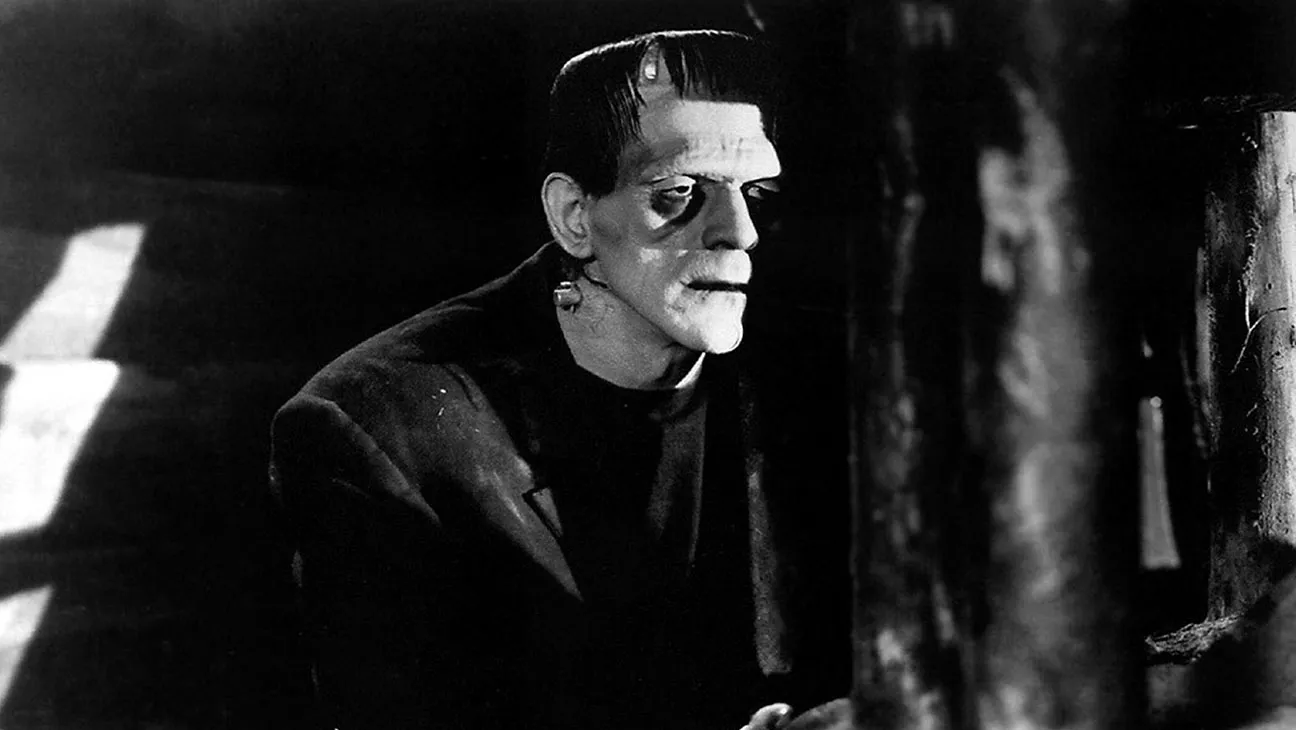
In a landmark moment for film history and creative freedom, three foundational Universal Horror classics from 1931 are poised to enter the public domain in the United States on January 1, 2027. The films—Frankenstein, directed by James Whale and starring Boris Karloff; Dracula, directed by Tod Browning and starring Bela Lugosi; and the concurrent Spanish-language production Drácula—will become freely available for adaptation, remixing, and reuse after nearly a century under copyright protection. This shift stems from the standard 95-year term for works published in 1931 that were properly renewed, opening new possibilities for filmmakers, artists, educators, and fans while preserving the cultural impact of these early sound-era masterpieces.
You can find these movies and others on Amazon HERE.
These releases marked the true birth of the Universal Monsters franchise during the early years of talking pictures. Universal Pictures, under the leadership of Carl Laemmle Jr., recognized the commercial potential of gothic horror adapted from public-domain literature and successful stage plays. The studio invested in atmospheric sets, innovative makeup, and charismatic performances that defined visual icons still recognized worldwide.
Dracula, released in February 1931, launched the cycle. Adapted from Bram Stoker’s 1897 novel via the popular Hamilton Deane and John L. Balderston stage play, the film was directed by Tod Browning, a veteran of silent-era macabre tales. Hungarian-born actor Bela Lugosi, who had already portrayed the count on Broadway, brought a refined, hypnotic intensity to the role. His measured delivery, piercing gaze, and formal attire with cape established the suave aristocratic vampire archetype that overshadowed earlier, more bestial interpretations. Cinematographer Karl Freund contributed shadowy, expressionistic lighting that heightened the sense of dread. The production proved a major financial success for Universal, validating the studio’s pivot toward horror and setting the stage for a string of similar projects.
Filmed simultaneously on the same sets was Drácula, the Spanish-language version directed by George Melford. In an era when Hollywood studios produced multiple-language versions to serve international markets before widespread dubbing, a separate cast and crew worked nights after the English-language unit finished for the day. Carlos Villarías portrayed the count, with Mexican actress Lupita Tovar as the primary female lead. Melford and his team studied the daily footage from Browning’s production and often refined camera angles, pacing, and staging. The resulting film runs significantly longer, includes more expansive scenes within the castle and aboard the ship, and features a distinct visual energy. Though initially released primarily in Spanish-speaking territories and later somewhat overshadowed, Drácula has gained critical appreciation in recent decades for its technical achievements and performances.
Later in 1931, Universal followed with Frankenstein, released in November. Mary Shelley’s 1818 novel had already inspired stage adaptations, and the studio secured rights to a popular play version. After early development involving other talent, British director James Whale took the helm. Whale cast relative unknown Boris Karloff as the creature after spotting him on the lot. Makeup artist Jack Pierce crafted the now-iconic appearance: a flattened head suggesting surgical assembly, heavy brow ridges, neck bolts, and lumbering physicality. Colin Clive played the driven scientist Henry Frankenstein. Whale’s direction blended gothic atmosphere, pathos for the misunderstood creation, and moments of dark humor. The film’s success surpassed even Dracula’s, cementing Karloff as a horror star and locking in the visual design of the monster that has dominated popular culture ever since—distinct from Shelley’s more articulate and differently described creation, which itself had long been in the public domain.
Together, these three films established templates that influenced decades of sequels, remakes, parodies, and merchandise. They helped Universal weather the Great Depression by delivering reliable box-office returns and created enduring stars in Lugosi and Karloff. Their influence extended far beyond the 1930s, shaping Halloween iconography, comic books, television anthologies, and modern horror cinema.
As of January 1, 2027, the original 1931 versions of these films will enter the U.S. public domain, allowing unrestricted use of their specific creative elements, including the distinctive creature design from Frankenstein and the particular portrayals and staging from both Dracula films. While trademarks, later restorations, or rights of publicity related to the actors’ likenesses may still impose certain commercial limits, the core cinematic works themselves will be free. Creators worldwide will gain the ability to build upon these foundational texts without licensing fees, potentially sparking fresh interpretations, educational projects, and innovative media. The transition continues a broader pattern of 1930s classics joining the public domain, ensuring that these pillars of horror cinema remain accessible for future generations to study, celebrate, and reinvent.
You can find these movies and others on Amazon HERE.
Please add Cord Cutters News as a source for your Google News feed HERE. You can watch today’s top cord cutting stories on our YouTube channel HERE. Please follow us on Facebook and X for more news, tips, and reviews. Need cord cutting tech support? Join our Cord Cutting Tech Support Facebook Group for help.
