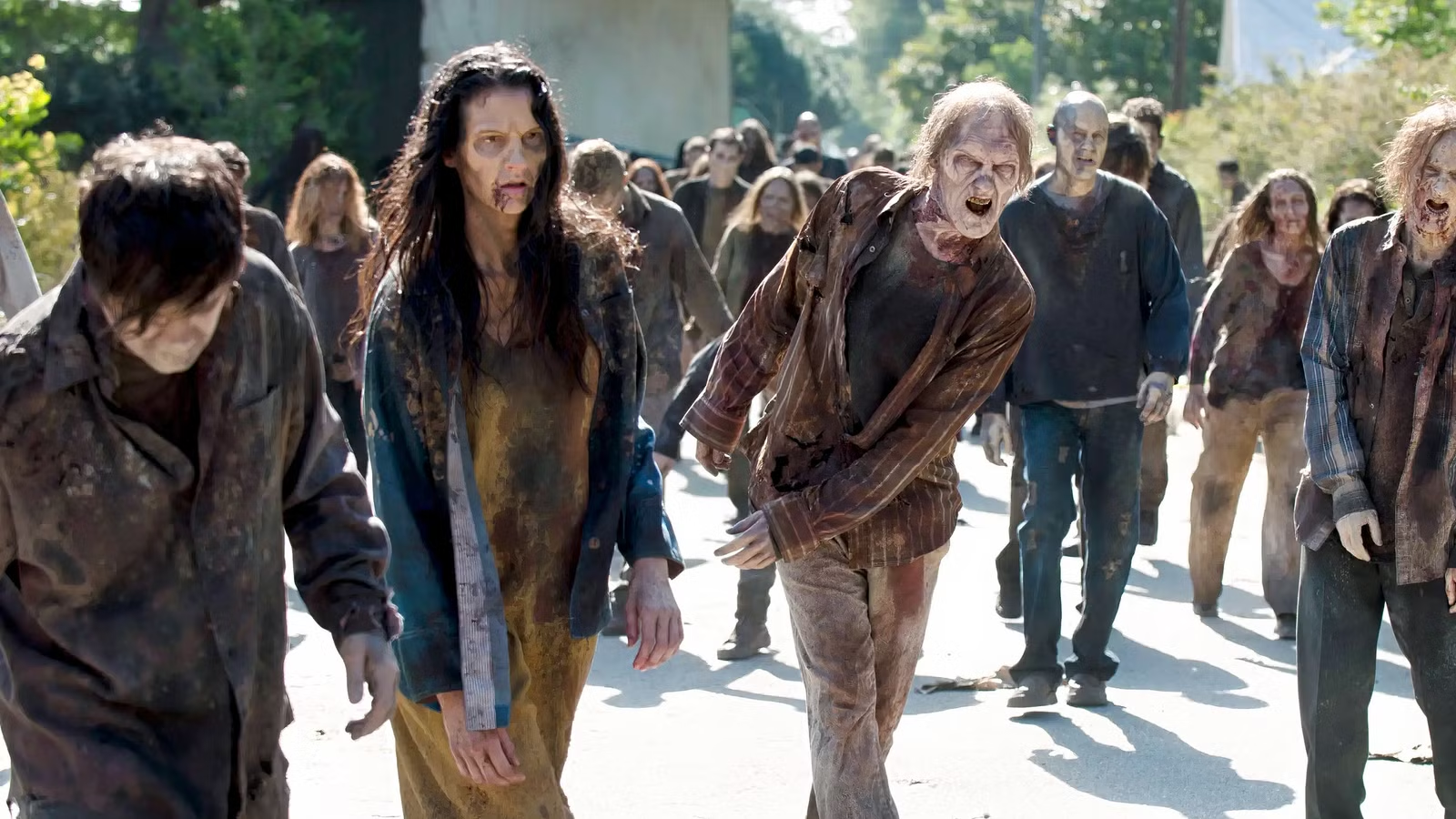
Long before Fringe started emotionally body-slamming viewers with alternate universes and Walter Bishop (John Noble) spiraling around laboratories like a sleep-deprived mad scientist held together by custard and trauma, Shaun of the Dead already understood the real trick to great genre storytelling. The weird stuff only lands once the normal stuff feels painfully believable at first. Fringe hid this massive science-fiction apocalypse inside stories about lonely people trying not to lose each other. Shaun does basically the same thing, just with zombies, pub carpets, and aggressively British emotional avoidance.
That is probably why Shaun of the Dead survived the 2000s so much better than a lot of its horror-comedy cousins. Plenty of movies from that era now feel aggressively trapped in the age of frosted hair, terrible cocktails, and men yelling “legend!” at each other in pubs. Shaun somehow feels timeless because every scene matters. Edgar Wright made the whole thing move like somebody telling an all-time great pub story where every joke circles back later and every bit of emotional devastation was secretly planted half an hour earlier without you realizing it.
Shaun of the Dead Turns Everyday Life Into a Zombie Movie
The movie’s smartest trick is that Shaun (Simon Pegg) already lives like somebody emotionally stuck in neutral before civilization starts collapsing. Every day feels identical. He lets Liz (Kate Ashfield) down constantly, spends every night planted in the Winchester pub with Ed (Nick Frost), and avoids responsibility with the energy of a guy pretending unopened bills might solve themselves naturally if ignored long enough. Ultimately, the apocalypse finally forces him to notice his life properly.
Meanwhile, society is already falling apart around him in the background. News reports mumble about violent attacks. Radio stations casually mention outbreaks. Newspapers practically wave giant red warning flags directly into the camera. Random people wandering through the streets already look half-dead before the zombies officially arrive. Shaun just never notices because he is too locked into autopilot. That is honestly one of the smartest things the movie does. The zombie outbreak almost feels like an extension of Shaun’s emotional state. Everybody is sleepwalking already.
And the rewatches get even better. Every conversation comes back later. Every dumb joke eventually matters. Tiny throwaway lines suddenly become set up for something emotional. The film is built with this ridiculous level of precision, where even background extras end up functioning like punchlines. Wright shoots the whole thing with the rhythm of a comedy sketch and the structure of a heist movie. Everything clicks together.
But the movie also works because Shaun never suddenly transforms into some secret badass action hero. He is not Rick Grimes. He is just a tired dude trying to sort his life out before the world literally collapses around him. Half the film is basically about a guy realizing he has accidentally become an adult without ever emotionally preparing for it first. The zombies almost become secondary after a while.
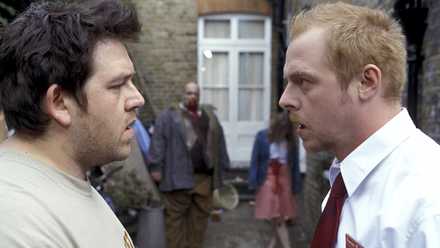
‘Shaun of the Dead’ Gets Delicious New 4K Steelbook For Its 20th Anniversary
“Take car. Go to Mum’s. Kill Phil. Grab Liz. Go to the Winchester. Have a nice cold pint. And wait for all of this to blow over.”
The Older You Get, the Sadder the Movie Becomes
Back in 2004, most people understandably focused on the comedy: Ed pretending nothing matters; the record-throwing scene; the cricket bat fights. Ed is wandering around looking like someone who genuinely believes snacks might solve the apocalypse. But the older the movie gets, the more the emotional stuff sneaks up and slams you in the ribs.
The scenes with Shaun’s mum, Barbara (Penelope Wilton), hit completely differently now. Same with her husband, Philip (Bill Nighy). The movie spends ages convincing you he is just the irritating stepdad Shaun cannot stand, then suddenly reveals this lonely older guy desperately trying to connect with somebody who never really gave him a chance. That car scene still lands like a freight train because the film earns it properly instead of forcing sentimentality into the story.
Even Ed becomes sadder the older you get while watching the movie. At first, he feels like comic relief in trainers. Then, eventually, you realize he is terrified that Shaun growing up means their entire friendship is dying slowly in front of him. Underneath all the jokes is this weird little panic about adulthood swallowing people whole and leaving them behind emotionally.
And honestly, that is why Shaun of the Dead still works twenty years later, while so many horror-comedies from that era faded into dusty envelopes that nobody opens anymore. The movie understands that comedy hits harder once the audience actually cares about the people trapped inside it. The zombie stuff is brilliant. The visual gags are brilliant. The editing still feels absurdly sharp. But what lingers is the sadness sitting underneath all the blood and pub crawls. It is really about people waking up one day and realizing life carried on without waiting for them.

- Release Date
-
September 24, 2004
- Runtime
-
99 minutes
- Director
-
Edgar Wright