
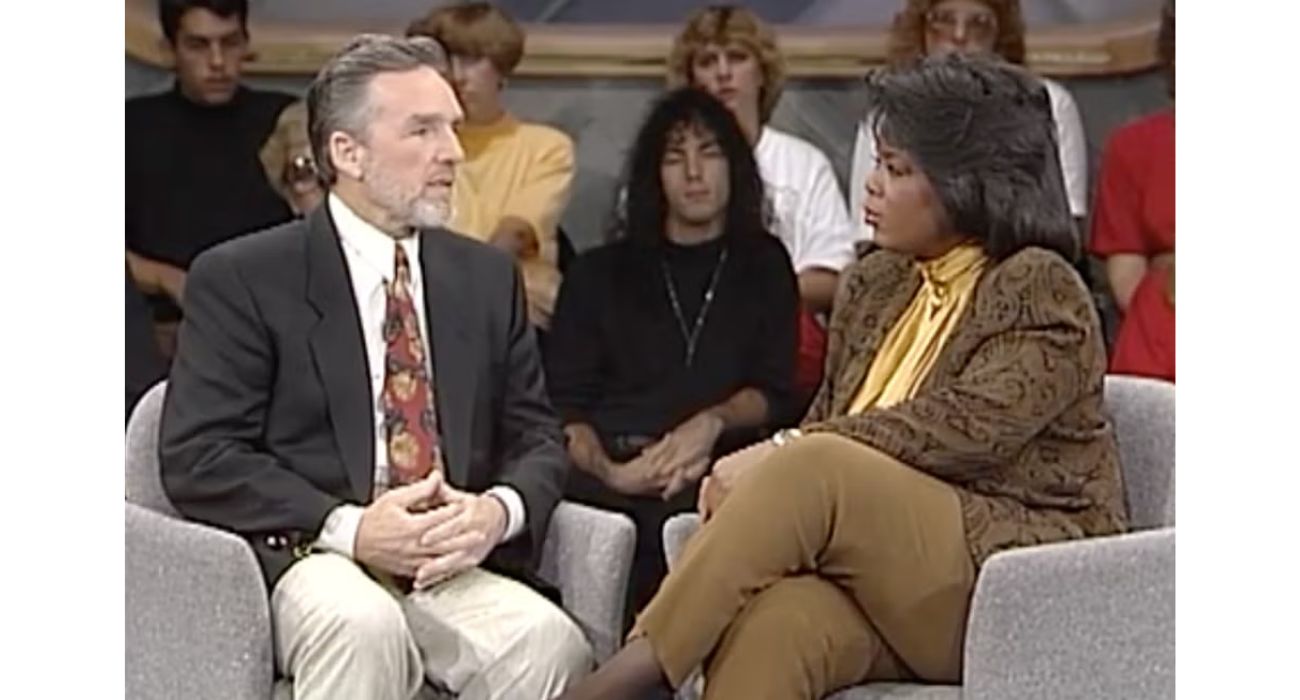
On May 25, 2011, television history reached a significant milestone as Oprah Winfrey aired the final episode of her groundbreaking daytime talk show, concluding a remarkable 25-year run that transformed the medium and influenced millions of viewers worldwide. The conclusion of The Oprah Winfrey Show marked the end of an era defined by intimate conversations, celebrity interviews, social activism, and personal empowerment segments that consistently drew massive audiences and reshaped how audiences engaged with daytime programming.
The show’s origins trace back to 1986, when it premiered as a local Chicago program before quickly expanding into national syndication. What began as a straightforward talk format evolved into a multifaceted platform that blended entertainment, self-help, literature promotion, and hard-hitting journalism. Over its quarter-century span, the program tackled diverse topics ranging from personal finance and health issues to broader societal challenges including racial equality, gender dynamics, and mental wellness. Its host’s ability to connect authentically with guests and audiences alike helped build a loyal following that transcended traditional demographic boundaries, making the show a daily ritual for many households.
Throughout its history, The Oprah Winfrey Show achieved numerous cultural benchmarks. It featured appearances by prominent figures from politics, entertainment, and science, often using those moments to spark national conversations. The program introduced the concept of the book club segment, which dramatically boosted sales for selected titles and revitalized interest in reading among broad audiences. Philanthropic initiatives tied to the show supported education, disaster relief, and community projects, further cementing its role beyond mere entertainment. Episodes frequently incorporated audience participation, surprise giveaways, and expert panels, creating an interactive experience that felt personal even through the television screen.
By the time the finale approached, the show had accumulated dozens of Emmy Awards and maintained top ratings in its time slot for most of its run. The decision to end the series came after careful consideration, with plans already underway for Winfrey to launch her own cable network, OWN. The final broadcast represented more than just a closing chapter; it symbolized the culmination of a career that elevated a daytime format into a powerful cultural force. Viewers witnessed reflections on memorable moments, emotional tributes from longtime staff, and a sense of gratitude that underscored the deep bond formed over the years.
In the years following the finale, the impact of The Oprah Winfrey Show continued to resonate across the industry. It paved the way for subsequent hosts and programs to incorporate elements of vulnerability, advocacy, and multimedia storytelling. Many modern talk shows and streaming series draw inspiration from its blend of empathy and exploration of human experiences. Winfrey herself transitioned into new ventures, including acting roles, production work, and continued media presence, but the original program’s legacy endured as a standard for thoughtful, influential broadcasting.
Fifteen years after that landmark final episode, the anniversary serves as an opportunity to reflect on how one program could sustain relevance across changing media landscapes. From its humble Chicago studio beginnings to its status as a global phenomenon, The Oprah Winfrey Show demonstrated the potential of television to educate, inspire, and unite. Its emphasis on personal growth and social awareness influenced generations, leaving an indelible mark on popular culture. As streaming services and digital platforms dominate today’s entertainment options, the show’s success reminds audiences and creators alike of the enduring power of genuine connection and purposeful content in a crowded media environment.
The legacy extends to business and philanthropy as well. The program’s commercial achievements helped establish Winfrey as a pioneering media executive whose influence reached far beyond the screen. Educational scholarships, women’s empowerment programs, and leadership initiatives launched in connection with the show continue to operate, extending its positive effects long after the final credits rolled. Television historians often cite it as a pivotal example of how consistent quality and audience trust can build an institution that withstands time.
Today, looking back on May 25, 2011, provides perspective on the evolution of daytime television. While new formats and technologies have emerged, the core principles that made The Oprah Winfrey Show successful—authenticity, curiosity, and a commitment to meaningful dialogue—remain relevant. The anniversary highlights not only the end of a specific series but the beginning of a broader shift in how audiences seek content that matters personally and collectively. This milestone in TV history underscores the lasting contributions of a program that entertained while challenging viewers to think differently about themselves and the world around them.
Please add Cord Cutters News as a source for your Google News feed HERE. You can watch today’s top cord cutting stories on our YouTube channel HERE. Please follow us on Facebook and X for more news, tips, and reviews. Need cord cutting tech support? Join our Cord Cutting Tech Support Facebook Group for help.
