
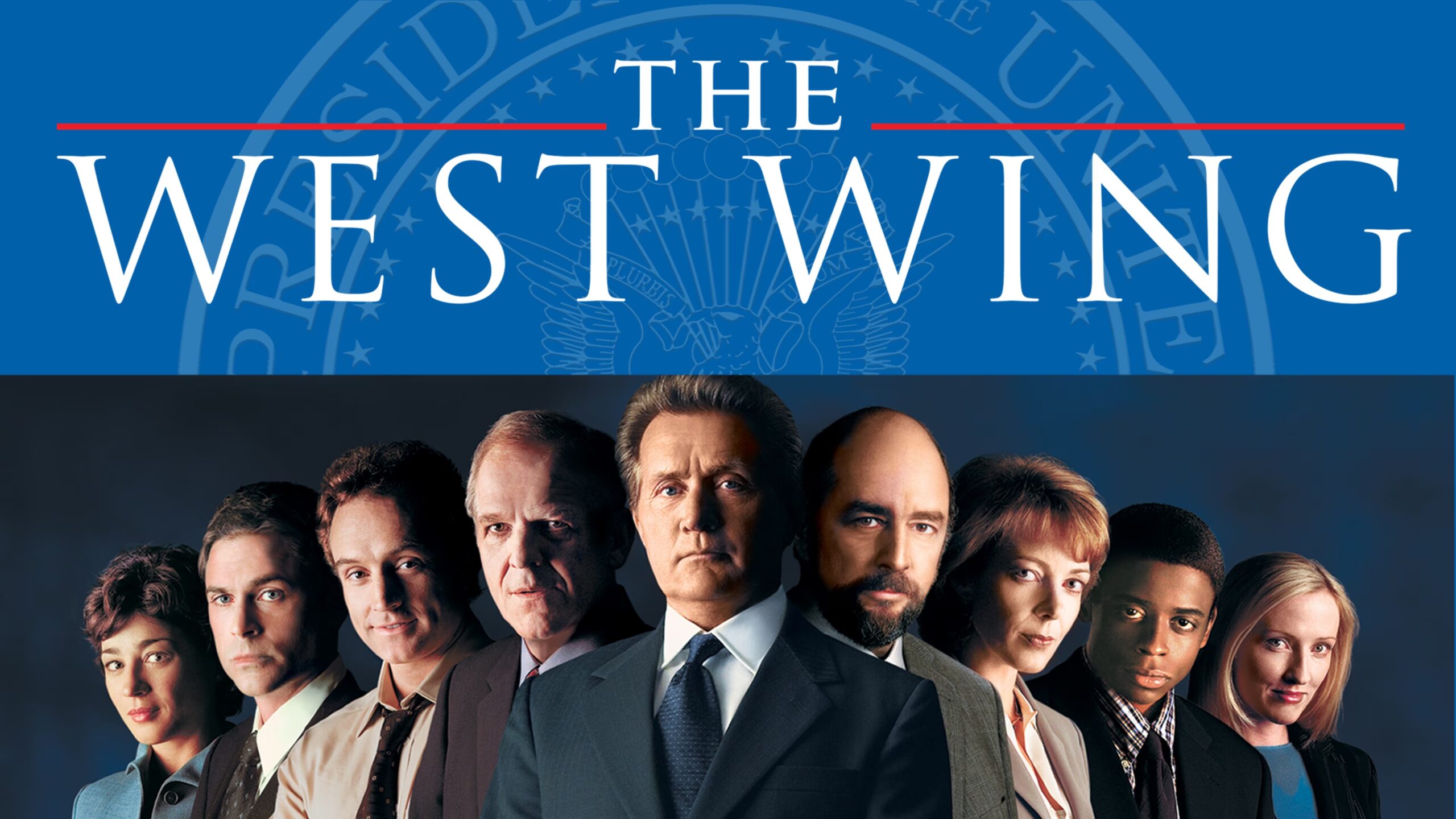
Twenty years ago today, on May 14, 2006, NBC broadcast the final episode of The West Wing, bringing to a close one of the most influential and decorated television dramas of its era. The series finale, which drew millions of viewers, capped a seven-season run that had redefined political storytelling on network television and left an enduring mark on popular culture.
You can find the West Wing complete series on DVD HERE.
The West Wing first premiered on September 22, 1999, created by writer Aaron Sorkin, who drew from his experiences in political circles and his earlier work on films and plays to craft a compelling vision of life inside the White House. The show centered on the daily operations of a fictional Democratic administration led by President Josiah Bartlet, a Nobel Prize-winning economist from New Hampshire portrayed with gravitas and warmth. An ensemble cast filled out the inner circle of advisers and staffers, including key figures handling communications, legislative affairs, personal security, and policy strategy. From the outset, the series distinguished itself through its brisk pacing, intricate plotting, and emphasis on public service as a noble pursuit amid the pressures of governance.
Early episodes established the tone by weaving together personal dramas with weighty national and international issues, ranging from education reform and civil rights to terrorism responses and diplomatic crises. The production employed signature techniques, such as long tracking shots that followed characters through the bustling West Wing hallways during rapid-fire conversations, creating a sense of constant motion and urgency. Audiences responded enthusiastically, and the show quickly became a critical darling. In its debut season alone, it secured nine Primetime Emmy Awards, setting a record for a freshman series at the time. Over the course of its run, The West Wing amassed 26 Primetime Emmy Awards in total, including four consecutive victories for outstanding drama series from 2000 through 2003. It also earned two Peabody Awards for excellence in broadcasting and three Golden Globe Awards, cementing its status as a benchmark for quality television.
The series maintained strong viewership in its initial years, often topping its time slot and sparking discussions among political observers and everyday viewers alike. Its idealistic depiction of competent, dedicated government officials resonated during a period of real-world political cynicism, offering a counterpoint that celebrated intellect, compromise, and ethical leadership. Sorkin served as head writer and executive producer for the first four seasons before stepping away, after which the show continued under new leadership while preserving its core style. Later seasons shifted focus to include a high-stakes presidential election campaign, introducing new characters such as a charismatic congressman from Texas vying for the Democratic nomination and a seasoned Republican senator as his opponent. These arcs expanded the narrative beyond the Bartlet administration, exploring campaign dynamics, voter engagement, and the transition of power in vivid detail.
By the time the seventh season concluded, the series had produced 154 episodes filled with memorable storylines that balanced humor, heartbreak, and high-stakes drama. The final installment followed the outgoing administration through its last hours in office, chronicling the preparations for the inauguration of the newly elected president and the emotional farewells among longtime staff members. Viewers witnessed the smooth handoff of responsibilities as one team departed and another arrived, symbolizing the continuity of American democracy.
Two decades later, The West Wing remains a touchstone for discussions about media portrayals of politics. Its influence can be seen in subsequent series that tackled institutional life with similar depth and energy. Reruns and streaming platforms have introduced the show to new generations, many of whom cite it as inspiration for careers in public policy or journalism. While the political landscape has evolved dramatically since 2006, with partisan divisions deepening and media fragmentation increasing, the series’ core message about the potential for thoughtful governance continues to spark reflection. Fans often revisit favorite episodes to appreciate the craftsmanship, from the layered character development to the thoughtful engagement with complex topics.
The end of The West Wing in 2006 represented more than the conclusion of a television program. It marked the close of an optimistic chapter in prime-time drama, one that portrayed the machinery of government with both reverence and realism. As anniversaries like this one arrive, the legacy endures through ongoing conversations about leadership, service, and the stories that shape public understanding of the nation’s highest office. The series stands as a reminder of television’s power to entertain while encouraging viewers to consider the responsibilities and possibilities inherent in democratic institutions.
You can find the West Wing complete series on DVD HERE.
Please add Cord Cutters News as a source for your Google News feed HERE. You can watch today’s top cord cutting stories on our YouTube channel HERE. Please follow us on Facebook and X for more news, tips, and reviews. Need cord cutting tech support? Join our Cord Cutting Tech Support Facebook Group for help.
