
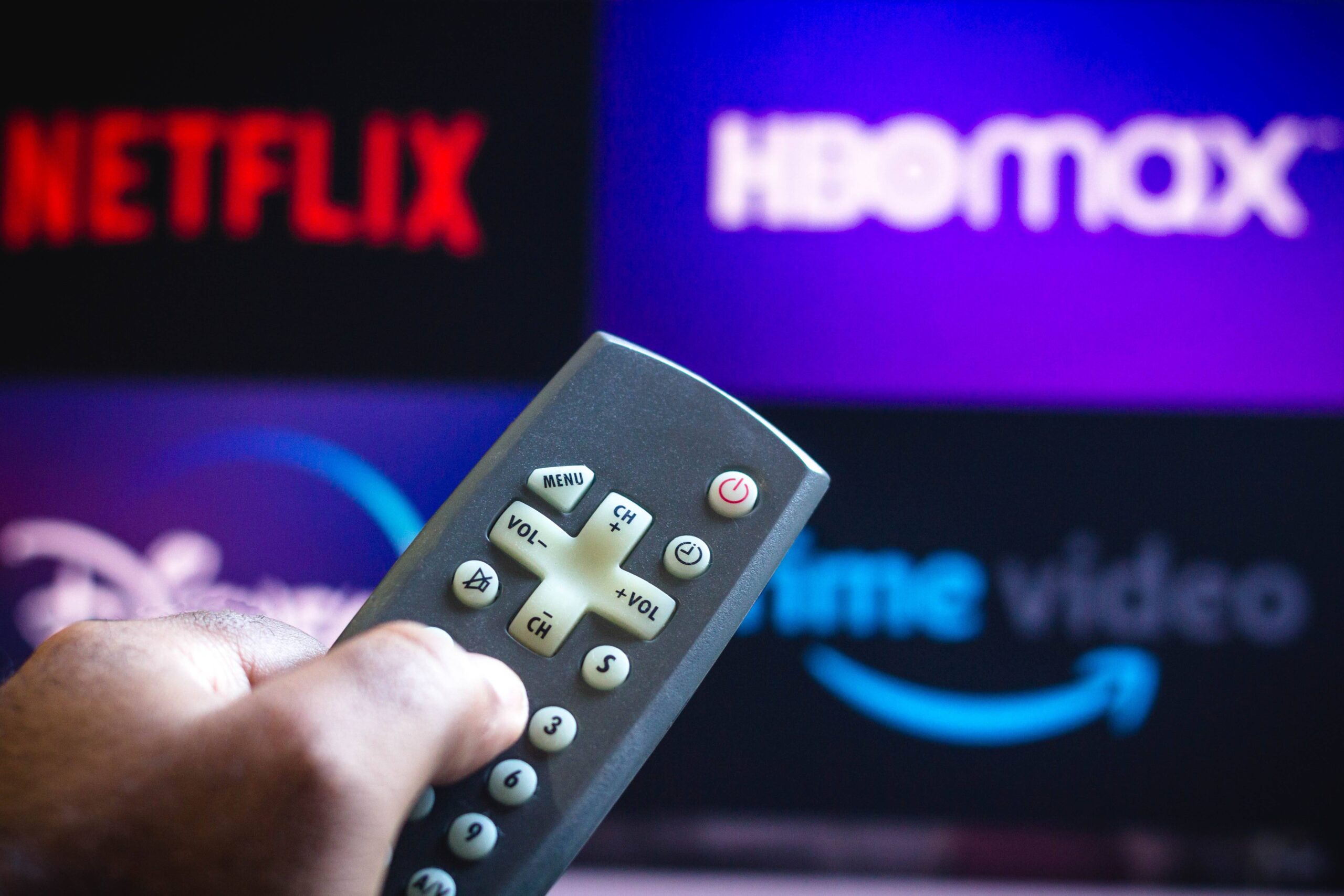
Americans are trimming their entertainment budgets as economic pressures mount, with a significant portion reducing spending on streaming services amid persistent price hikes and broader cost-of-living challenges. According to recent findings from a Deloitte survey, more than 40 percent of respondents reported cutting back on entertainment subscriptions in recent months specifically because of financial strains. At the same time, three-quarters of those surveyed voiced irritation over the frequent increases in pricing from the platforms they use for movies, television shows, and live events. This is also supported by a recent Cord Cutters News survey that showed most cord cutters now pay for just 3 or fewer streaming services.
The shift reflects a wider trend in how households manage discretionary spending. Many consumers who once embraced the convenience of multiple streaming options now find themselves reassessing those choices as monthly bills accumulate. What began as an affordable alternative to traditional cable television has evolved into a layered expense that rivals or exceeds older pay-TV packages for some families. With streaming now dominating television consumption, accounting for the bulk of viewing hours across the country, the sector faces new scrutiny from everyday users seeking relief.
Major media conglomerates have invested heavily in building out their direct-to-consumer platforms over the past decade. Companies including Disney, Comcast, and Fox poured billions into developing streaming services loaded with original content, blockbuster films, and extensive libraries of programming. Tech giants such as Netflix, Amazon, and Apple have captured large slices of the audience, often bundling live sports and premium entertainment to attract and retain subscribers. Yet these expansions have coincided with repeated price adjustments, as providers balance rising production costs, licensing fees, and the need to generate sustainable revenue.
Households appear to be responding by making selective reductions rather than abandoning video entertainment altogether. Some are canceling redundant subscriptions, opting instead for fewer platforms that cover their primary interests. Others are switching to lower-tier plans that include advertisements in exchange for reduced fees. A noticeable movement away from legacy cable and linear television bundles continues, with viewers migrating toward virtual options like YouTube TV or Roku-based services that promise flexibility without the long-term contracts of traditional providers. This cord-cutting phenomenon has accelerated, positioning streaming as the default method for accessing news, sports, and scripted series.
Financial anxiety plays a central role in these decisions. Recent public opinion data consistently ranks affordability and household expenses among the top concerns for many Americans. Inflationary pressures on groceries, housing, and transportation have left less room in budgets for leisure activities, prompting tighter control over subscription services that once felt like minor monthly outlays. For families juggling multiple accounts—perhaps one for family-friendly programming, another for prestige dramas, and a sports-specific add-on—the combined cost can quickly become burdensome.
The frustration extends beyond individual wallets into broader policy discussions. Regulators at the Federal Communications Commission have invited public input on longstanding rules governing live sports broadcasts, including blackout restrictions that some critics view as outdated in an era of abundant streaming availability. Debates over how sports content reaches audiences could influence future pricing dynamics, as leagues and networks weigh distribution strategies that balance exclusivity with accessibility.
Media companies are adapting to these signals in different ways. Some have explored bundling arrangements that combine services at discounted rates, while others emphasize exclusive content to justify premium pricing. The competition for attention remains fierce, with algorithms recommending personalized selections and promotional trials attempting to lure back lapsed users. Still, sustained price increases risk alienating segments of the audience that grew accustomed to abundant options at relatively stable costs during the initial streaming boom.
The long-term implications for the entertainment landscape could prove significant. If cost-cutting behaviors persist, providers may need to innovate in content delivery, pricing models, and value propositions to maintain growth. Consumers, for their part, demonstrate a clear preference for flexibility and perceived fairness in billing. Many continue to enjoy high-quality programming across platforms but increasingly prioritize curation over accumulation.
The Deloitte insights highlight a consumer base that remains engaged with digital media yet demands greater restraint in an environment of elevated prices. Whether through fewer services, strategic switching, or advocacy for policy adjustments, households are signaling that entertainment budgets deserve the same careful management applied to other essential and non-essential expenses. Streaming’s dominance in daily viewing habits seems secure, but its unchecked expansion in cost faces growing pushback from the very audiences that fueled its rise.
