
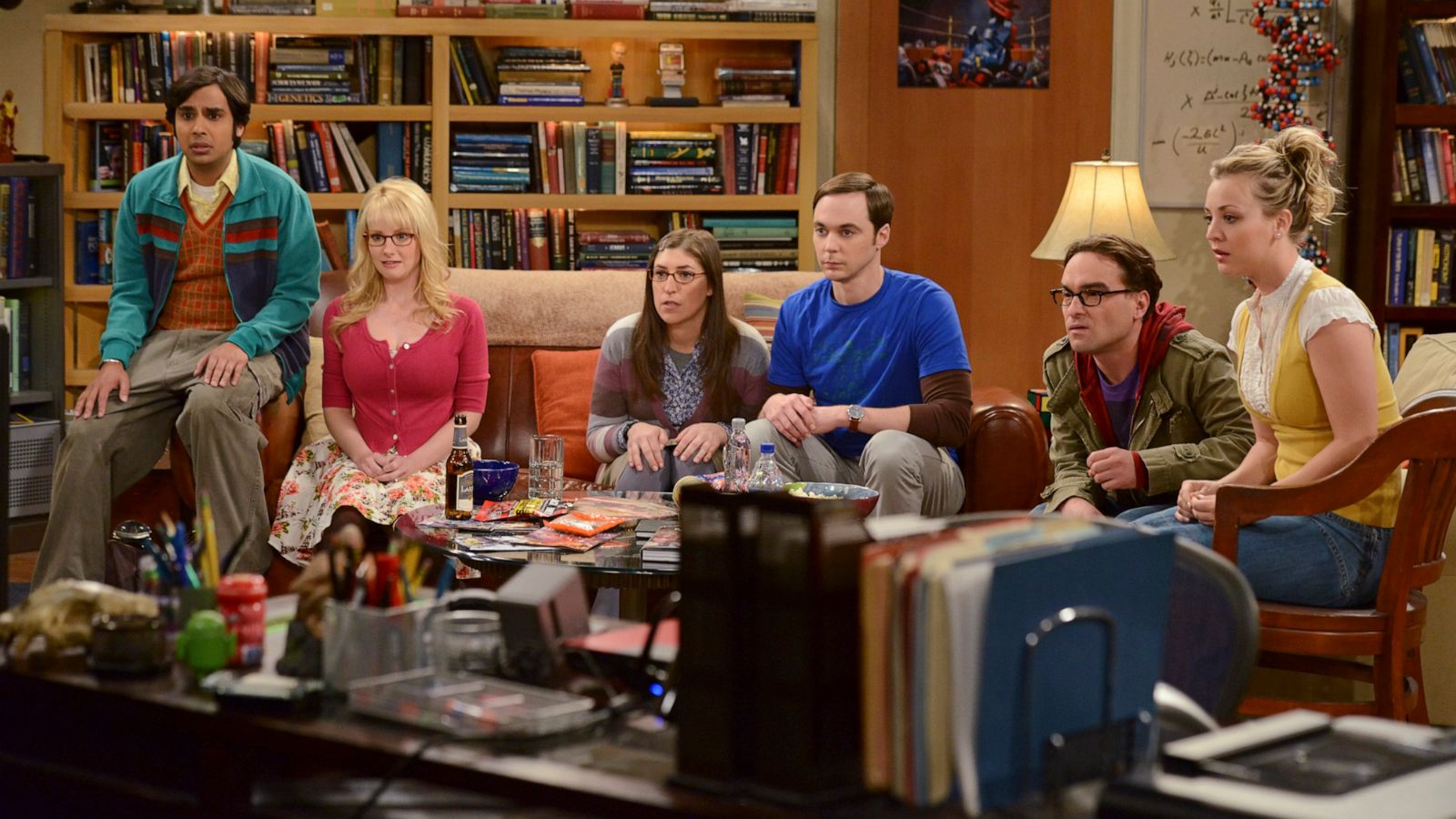
Seven years ago today, on May 16, 2019, the long-running CBS sitcom The Big Bang Theory aired its series finale, bringing to a close one of the most successful and influential comedies in modern television history. The episode, which served as the capstone to 279 episodes across 12 seasons, delivered a fitting conclusion to the adventures of its core group of characters, leaving millions of viewers reflecting on a show that had become a staple of weekly entertainment since its debut more than a decade earlier. Starring Jim Parsons as the brilliant yet socially challenged physicist Sheldon Cooper, Johnny Galecki as his roommate and fellow scientist Leonard Hofstadter, and Kaley Cuoco as their quick-witted neighbor Penny, the series captured hearts by celebrating intellect, friendship, and the quirks of everyday life in ways that resonated far beyond the screen.
You can find The Big Bang Theory on Amazon or HBO Max.
The origins of The Big Bang Theory trace back to its premiere on September 24, 2007, when creators Chuck Lorre and Bill Prady introduced audiences to a fresh take on the traditional sitcom format. Set in Pasadena, California, near the California Institute of Technology, the show initially focused on five main characters navigating the intersection of high-level science and ordinary existence. Sheldon and Leonard, both theoretical physicists, shared an apartment filled with comic books, video games, and scientific equipment, their lives upended by the arrival of Penny, an aspiring actress working as a waitress across the hall. As the seasons progressed, the ensemble grew to include aerospace engineer Howard Wolowitz, astrophysicist Rajesh Koothrappali, neuroscientist Amy Farrah Fowler, and microbiologist Bernadette Rostenkowski-Wolowitz, each adding layers of humor through their unique personalities, romantic entanglements, and group dynamics.
What began as a modest ratings performer evolved into a ratings juggernaut. Early episodes built a dedicated following through clever writing that mixed pop culture references, scientific jargon explained in accessible terms, and relatable themes of insecurity and growth. By the later seasons, The Big Bang Theory consistently ranked among the top scripted programs on television, often drawing more than 15 million viewers per episode at its peak. Its appeal lay in the authentic portrayal of nerd culture at a time when comic books, superheroes, and technology were gaining mainstream acceptance. The series highlighted how friendships formed around shared interests could provide support through career challenges, personal milestones, and the complexities of relationships, all while delivering consistent laughs without relying on cynicism.
Throughout its run, the show earned widespread acclaim for its ensemble performances. Parsons’ portrayal of Sheldon earned multiple awards for capturing a character whose exceptional intelligence coexisted with profound awkwardness and unexpected warmth. Galecki brought grounded charm to Leonard, the more socially adaptable counterpart who often served as the emotional anchor. Cuoco infused Penny with energy and depth, evolving her from a seemingly mismatched outsider into an integral part of the group whose perspective grounded the more esoteric elements. The chemistry among the full cast created an environment where storylines could span everything from Nobel Prize aspirations to mundane apartment disputes, fostering a sense of family that viewers embraced.
The finale itself unfolded as a celebratory event, with the characters traveling to Stockholm for a major professional achievement that symbolized their collective journey. It reflected on themes of change, accomplishment, and the enduring bonds that had defined the series, offering closure while nodding to the personal transformations each individual had undergone. Broadcast as part of a special night that included a retrospective special hosted by Galecki and Cuoco, the episode drew an audience of approximately 18.5 million, underscoring the show’s enduring popularity even in an era of fragmented media consumption.
Beyond its immediate success, The Big Bang Theory left a lasting legacy on television and popular culture. It demonstrated that a multi-camera sitcom centered on intellectual pursuits could thrive commercially and critically, paving the way for broader acceptance of geek-centric storytelling in mainstream programming. Syndication deals ensured its episodes remained in heavy rotation long after the finale, introducing new generations to the characters. The series also inspired the prequel spin-off Young Sheldon, which explored Sheldon’s early years and further extended the franchise’s reach. In an industry increasingly dominated by streaming and limited series, The Big Bang Theory stood as a reminder of the power of consistent, character-driven comedy delivered week after week.
Looking back seven years later, the end of The Big Bang Theory marked more than the conclusion of a single program; it represented the wrapping up of an era for traditional network comedies that prioritized broad appeal and long-term storytelling. Its influence persists in the way it normalized discussions of science and encouraged curiosity among audiences of all backgrounds. Fans continue to revisit the Pasadena gang’s exploits, finding comfort in the humor and heart that defined 12 seasons of laughter, growth, and unbreakable friendships. As television landscapes shift toward shorter formats and on-demand viewing, the show’s achievement in building a devoted community over more than a decade remains a benchmark for what sustained excellence in sitcom form can accomplish.
You can find The Big Bang Theory on Amazon or HBO Max.
Please add Cord Cutters News as a source for your Google News feed HERE. You can watch today’s top cord cutting stories on our YouTube channel HERE. Please follow us on Facebook and X for more news, tips, and reviews. Need cord cutting tech support? Join our Cord Cutting Tech Support Facebook Group for help.
