
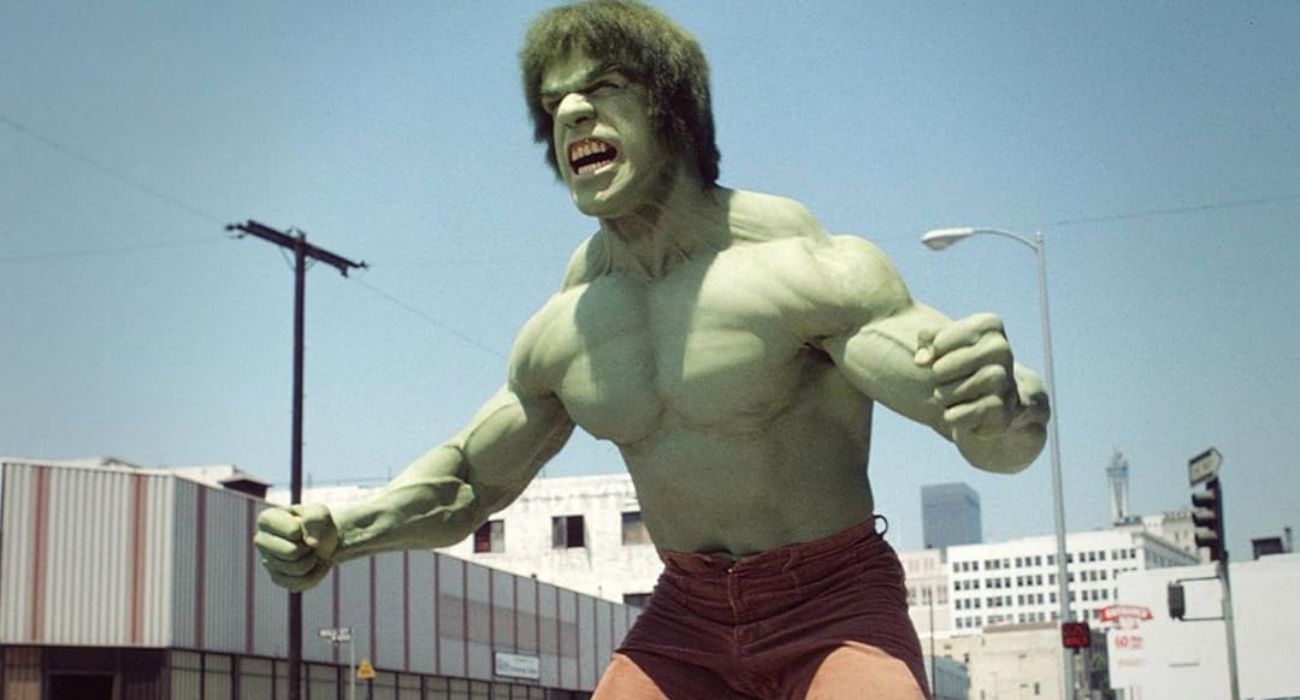
Forty-four years ago today, on May 12, 1982, the final episode of the acclaimed live-action television series The Incredible Hulk aired on CBS, bringing an emotional close to one of the most distinctive superhero dramas of the late 1970s and early 1980s. Titled A Minor Problem, the installment followed the wandering scientist Dr. David Banner as he entered a seemingly abandoned town evacuated because of a hazardous biological threat, where he encountered looters, a determined researcher, and a loyal dog amid rising danger. The episode delivered one last transformation sequence that encapsulated the show’s signature blend of quiet introspection and explosive action, leaving audiences with a sense of both resolution and lingering melancholy for a character forever on the run.
You can find The Incredible Hulk on Amazon HERE.
The series had captivated viewers since its origins as a two-hour pilot movie that premiered on November 4, 1977. Developed for television by producer Kenneth Johnson and loosely adapted from the Marvel Comics character created by Stan Lee and Jack Kirby in 1962, the program reimagined the Hulk not as a rampaging force of pure destruction but as a tragic figure born from human vulnerability. In the show, mild-mannered physician David Banner, portrayed with understated intensity by actor Bill Bixby, grapples with the aftermath of a personal tragedy that drives him to experiment with gamma radiation in hopes of unlocking hidden human potential. Instead, the procedure triggers an uncontrollable metamorphosis whenever Banner experiences intense anger or stress, turning him into a towering, green-skinned behemoth played by bodybuilder Lou Ferrigno. The creature, known simply as the Hulk, possesses immense strength but lacks the ability to speak coherently, relying on raw power to protect the innocent while Banner desperately seeks a cure for his condition.
From the outset, the series distinguished itself from typical action fare by emphasizing psychological depth over spectacle. Each week, Banner traveled across the American landscape as a modern-day fugitive, hitchhiking or taking odd jobs in small towns while evading the relentless pursuit of tabloid reporter Jack McGee, played by Jack Colvin. McGee had witnessed the Hulk firsthand and became obsessed with exposing the creature, viewing it as a dangerous menace rather than a misunderstood guardian. This cat-and-mouse dynamic provided a structural backbone, but the heart of the program lay in Banner’s encounters with everyday people facing hardship. Whether aiding a struggling family, defending a wrongly accused individual, or confronting social injustices, Banner’s interventions often culminated in a Hulk transformation that resolved immediate threats yet forced him to flee once more. The opening narration set a somber tone each episode, underscoring the scientist’s isolation and unyielding quest for normalcy.
The Incredible Hulk debuted its regular one-hour episodes on March 10, 1978, and ran for five seasons totaling 80 installments. It aired primarily on Friday nights, building a dedicated following through its hybrid format of character-driven drama and thrilling set pieces. Ferrigno’s physical performance, enhanced by green makeup and minimal dialogue, became iconic, while Bixby’s nuanced portrayal conveyed profound loneliness and quiet determination. The show benefited from strong production values for its era, including practical effects for the transformations and location shooting that lent authenticity to Banner’s nomadic existence. Despite solid ratings and critical praise for its mature handling of themes like anger management, personal redemption, and the duality of human nature, CBS ultimately canceled the series in 1982 as part of broader network programming shifts. The decision came as a surprise to many fans, given the program’s cultural footprint and its influence on subsequent television adaptations of comic book properties.
In the decades since that final broadcast, The Incredible Hulk has endured as a landmark in superhero storytelling on the small screen. It proved that comic book adaptations could explore serious emotional territory without sacrificing excitement, paving the way for later Marvel television efforts and even informing the tone of the cinematic universe that emerged years afterward. Bixby and Ferrigno reprised their roles in three reunion television movies between 1988 and 1990, extending the saga and allowing closure for loyal viewers. Today, reruns and streaming availability continue to introduce new generations to Banner’s plight, reminding audiences of a time when television heroes wrestled not only with villains but with their own inner demons. As May 12 marks another anniversary of the series finale, it serves as a poignant reminder of how The Incredible Hulk transformed fleeting moments of rage into enduring lessons about resilience, humanity, and the search for peace in an unforgiving world. The program’s legacy lies in its ability to turn a simple monster tale into a compelling meditation on what it means to be both powerful and profoundly alone.
You can find The Incredible Hulk on Amazon HERE.
Please add Cord Cutters News as a source for your Google News feed HERE. You can watch today’s top cord cutting stories on our YouTube channel HERE. Please follow us on Facebook and X for more news, tips, and reviews. Need cord cutting tech support? Join our Cord Cutting Tech Support Facebook Group for help.
