
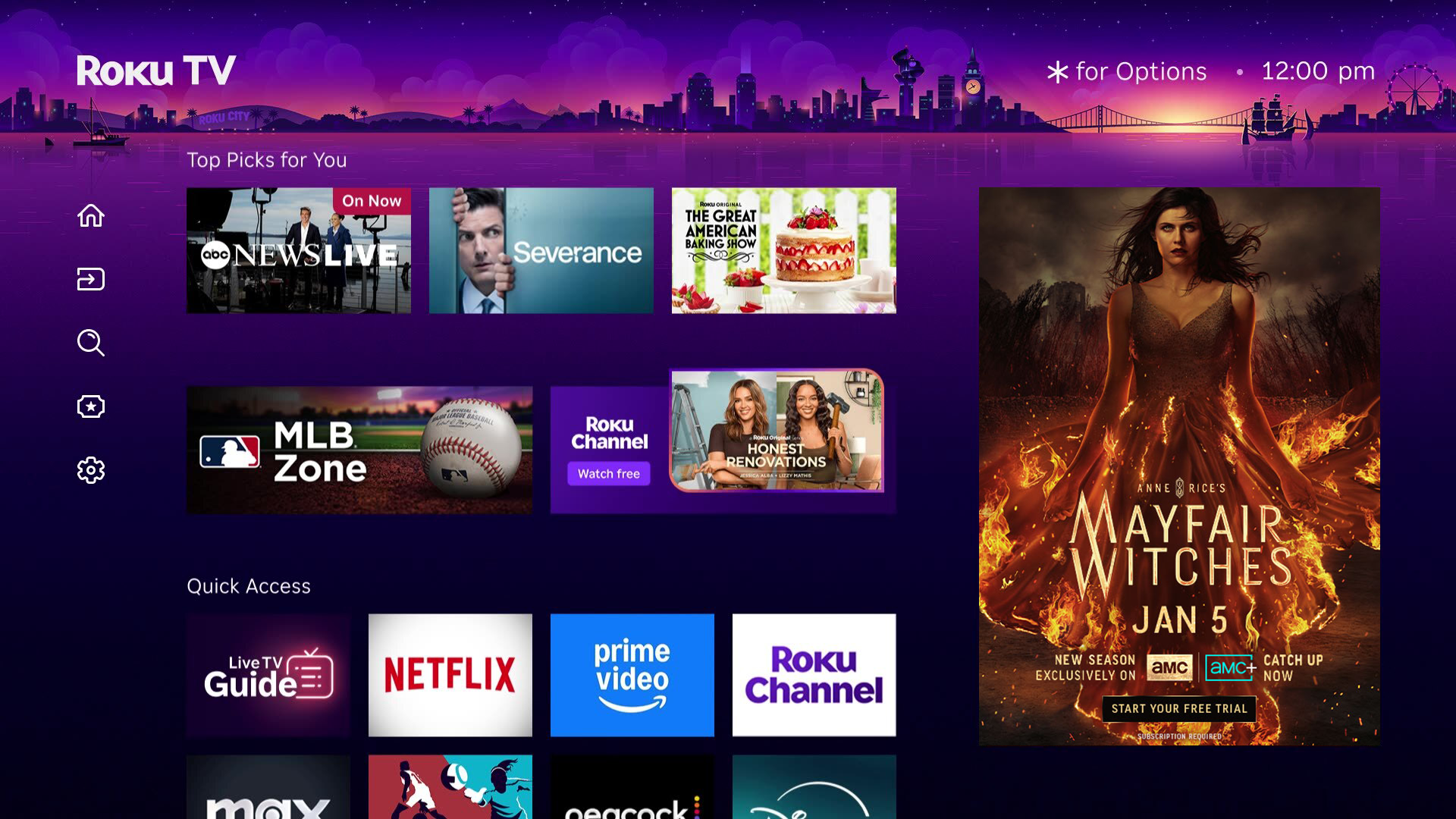
Roku has rolled out a new animation on the home screens of its streaming devices and smart televisions that causes the icon for The Roku Channel to shake or wobble at irregular intervals. The subtle movement appears when users first access the main interface or after powering on the device, drawing the eye toward the app in hopes of prompting more frequent launches and longer viewing sessions. This change builds directly on an earlier experiment the company conducted with another service it owns, extending a broader strategy to integrate its proprietary content more aggressively into the everyday user experience.
The update marks the latest chapter in Roku’s push to grow engagement with its free, ad-supported streaming platform. The Roku Channel offers a mix of licensed movies, classic television series, live news feeds, and original programming produced in-house, all available without a separate subscription fee. By animating the app’s icon, Roku aims to increase discovery of this content amid a crowded field of streaming options where users often default to familiar paid services. Internal testing from previous interface adjustments suggested that such visual cues could lift app open rates by noticeable margins, helping the company capture more advertising revenue that powers much of its business model.
This approach echoes a similar modification introduced earlier in the year for the Howdy streaming service. In February, Roku began applying a jiggling animation to the Howdy app icon on select devices across North America and later expanded it more widely. Howdy, a low-cost subscription offering ad-free access to movies, documentaries, and originals, benefited from the same attention-grabbing technique. The earlier rollout demonstrated Roku’s willingness to experiment with home screen dynamics to steer users toward its owned properties rather than third-party applications. Both changes arrive as the company navigates a competitive landscape where major players invest heavily in user retention through personalized recommendations and interface prominence.
The home screen has long served as the central hub for Roku users, allowing quick access to hundreds of channels and apps. Recent interface evolutions have also included larger promotional tiles for live television guides and algorithmic content rows that highlight free options first. The shaking icon for The Roku Channel fits into this pattern by adding a layer of gentle interactivity without requiring users to scroll or search. Some device owners report the animation triggers sporadically, lasting only a few seconds before settling, which keeps the distraction minimal while still achieving the intended noticeability. Roku has made the feature available through standard software updates, rolling it out gradually to millions of active devices worldwide.
Consumer reactions remain divided. Many appreciate the nudge toward free entertainment, especially in households seeking to cut costs on multiple subscriptions. The Roku Channel’s library continues to expand with new partnerships and exclusives, providing value that competes with larger services while remaining accessible on every Roku-powered screen. Others, however, view the animation as an unwelcome intrusion that disrupts the clean, customizable layout they prefer. Shared family devices may see more accidental openings, and frequent users of other apps sometimes find the motion pulls focus away from their preferred lineup.
Privacy considerations have also surfaced in discussions around these updates. Roku collects anonymized interaction data to refine how the animations behave and to measure their effectiveness, though the company maintains that no personal viewing habits are tied directly to the visual prompts. An option exists in advanced settings for users to reduce or disable certain promotional behaviors, though the core home screen layout adjustments remain standard.
From a business perspective, the changes align with Roku’s efforts to strengthen its position as both a hardware provider and a content distributor. Advertising on The Roku Channel has grown steadily, contributing to overall revenue as the platform reaches more households. By making its own service more visible at the point of entry, Roku reduces reliance on external partners and creates a self-reinforcing ecosystem. Analysts tracking the streaming sector point out that similar tactics appear across the industry, from prominent placement of original content on competitor interfaces to dynamic thumbnails that encourage exploration.
Looking ahead, Roku may apply comparable animations or prominence boosts to additional owned apps as it refines its operating system. Future software versions could introduce even more personalized home screen elements based on viewing patterns, further blurring the line between neutral navigation and guided discovery. For now, the shaking Roku Channel icon represents a clear signal of the company’s priorities: turning the home screen into a more active promoter of its free streaming destination while maintaining the simplicity that built its large user base.
The development underscores the evolving nature of streaming interfaces. What once functioned as a straightforward launcher has become a strategic battleground for attention and revenue. As more households rely on Roku devices for daily entertainment, these small but persistent design choices will likely shape how users interact with content for years to come. Whether the animation ultimately drives the desired increase in The Roku Channel usage remains to be seen through broader adoption metrics, but the company’s consistent experimentation suggests confidence in the approach.
Please add Cord Cutters News as a source for your Google News feed HERE. You can watch today’s top cord cutting stories on our YouTube channel HERE. Please follow us on Facebook and X for more news, tips, and reviews. Need cord cutting tech support? Join our Cord Cutting Tech Support Facebook Group for help.
