
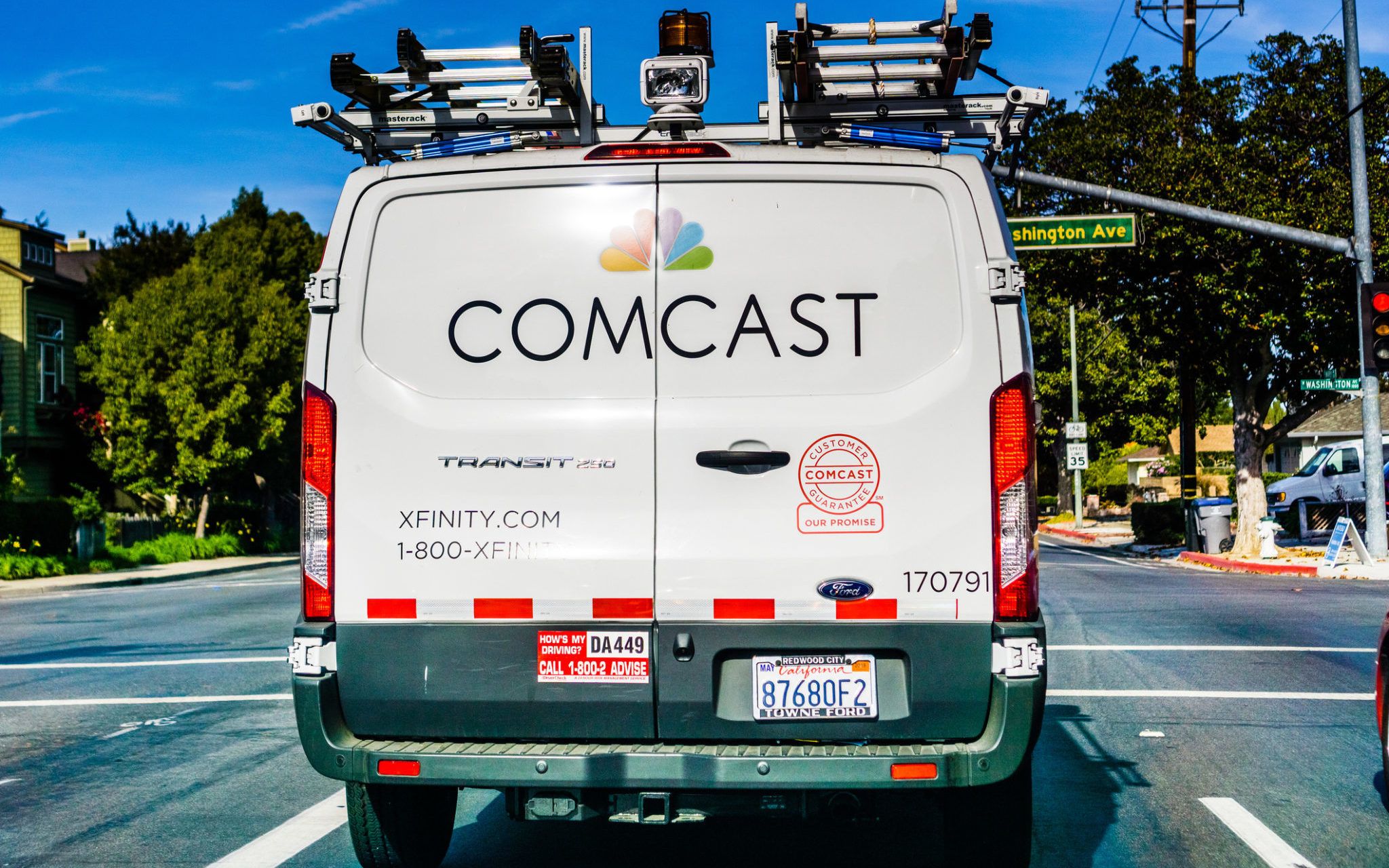
Major cable providers Comcast and Charter Communications, which operates Spectrum, reported significant subscriber declines in the first quarter of 2026, underscoring a deepening shift in how Americans access television and internet services. Between the two companies, they shed a combined 382,000 television subscribers and 185,000 broadband internet customers during the three months ending March 31. The losses highlight the growing momentum of what industry observers have labeled Cord Cutting 2.0, an evolution of the original cord-cutting trend that once focused primarily on abandoning expensive cable television packages in favor of streaming services. This new phase sees consumers extending their cost-cutting efforts to home internet connections, turning away from traditional cable broadband toward faster, often cheaper alternatives such as fiber-optic networks and fixed wireless access from mobile carriers.
Comcast, the nation’s second cable operator, posted a net loss of 322,000 cable television subscribers in the quarter. The decline marked an improvement from the 427,000 television customers it lost in the same period a year earlier, yet it still reflected ongoing erosion in its legacy video business. At the same time, the company lost 65,000 broadband subscribers, a slowdown from the 183,000 internet customers who departed in the first quarter of 2025. Spectrum fared similarly in television but faced steeper broadband pressure. The company reported a net loss of 60,000 video subscribers, consisting of 51,000 residential and 9,000 small-business accounts. Internet losses reached 120,000 subscribers, pushing its total broadband base down to 29.6 million.
These figures arrive at a time when Cord Cutting 2.0 has moved beyond the initial wave of television defections that began more than a decade ago. In the first phase, households canceled cable and satellite TV subscriptions to embrace on-demand streaming platforms that offered greater flexibility and lower costs. Now, the second phase targets the remaining lifeline to traditional providers: high-speed internet. Rising prices for cable broadband, combined with aggressive marketing from fiber providers and fixed wireless services, have prompted millions to reconsider their internet providers. Consumers are increasingly opting for symmetrical gigabit connections from fiber companies or lower-cost 5G home internet plans that deliver comparable speeds without the long-term contracts often associated with cable.
The trend has created structural challenges for cable giants. While both Comcast and Spectrum have invested heavily in network upgrades and mobile services to offset declines, the core connectivity businesses continue to face headwinds. Comcast has expanded its mobile phone business, adding hundreds of thousands of wireless lines, and seen strong growth in its Peacock streaming platform. Spectrum has similarly leaned on mobile subscriber gains, which increased by 368,000 lines in the quarter, and has rolled out multi-gigabit speed tiers in select markets. Yet these diversification efforts have not fully stemmed the tide of losses in traditional services. Revenue from video and internet segments declined for both companies, pressuring overall financial performance even as they reported gains in other areas such as theme parks and content production for Comcast.
Broader market dynamics reinforce the Cord Cutting 2.0 narrative. Fiber-optic providers have rapidly expanded their footprints, offering superior upload and download speeds that appeal to households with multiple remote workers, gamers, and streamers. Fixed wireless access from national carriers has emerged as a viable, no-installation option in both urban and rural areas, often at prices significantly below cable equivalents. Satellite-based internet services have also gained traction, further fragmenting the market. As a result, the traditional cable bundle that once dominated American households has become less attractive, especially when consumers can mix and match streaming apps, free ad-supported channels, and high-speed internet from non-cable sources.
Total customer relationships at Spectrum fell by 163,000 in the quarter, while Comcast’s connectivity revenue dipped despite overall company revenue growth driven by non-cable segments. The pattern suggests that efforts to simplify video products, integrate streaming apps into cable tiers, and bundle services have provided only temporary relief. With more households prioritizing affordability and performance over bundled convenience, providers must accelerate innovation in wireless, content, and next-generation networks to retain relevance.
The first-quarter results arrive amid a larger industry reckoning. Over the past year, cable operators have collectively lost millions of subscribers as Cord Cutting 2.0 gains steam. For Comcast and Spectrum, the challenge extends beyond mere numbers. It reflects a fundamental change in consumer behavior: households no longer view cable as the default gateway to entertainment and connectivity. Instead, they treat television and internet as separate decisions, each open to competitive bidding. As fiber and wireless options proliferate and streaming libraries expand, the pressure on legacy cable infrastructure is likely to intensify.
Looking ahead, both companies plan continued investment in rural broadband expansion, faster speeds, and mobile convergence. Whether these strategies can slow the pace of Cord Cutting 2.0 remains uncertain. What is clear, however, is that the era of unchallenged dominance for cable television and internet providers has ended. American consumers have embraced a more fragmented, choice-driven media landscape, and the latest subscriber data from Comcast and Spectrum demonstrate that this transformation shows no signs of slowing in 2026. The combined loss of nearly 400,000 television subscribers and almost 200,000 internet customers in a single quarter serves as the latest evidence that Cord Cutting 2.0 is reshaping the telecommunications industry in profound and lasting ways.
Please add Cord Cutters News as a source for your Google News feed HERE. Please follow us on Facebook and X for more news, tips, and reviews. Need cord cutting tech support? Join our Cord Cutting Tech Support Facebook Group for help.
