
The Munich International Film Festival is well underway. The festival positions itself as the major platform for German film and filmmakers, but has also leaned heavily into co-production and expanded its international output. This year, its major CineMerit honors went to Toni Servillo and David Duchovny, while Pedro Almodóvar and U.S. filmmakers including Ira Sachs and Jay Duplass were in town, alongside a host of local talent.
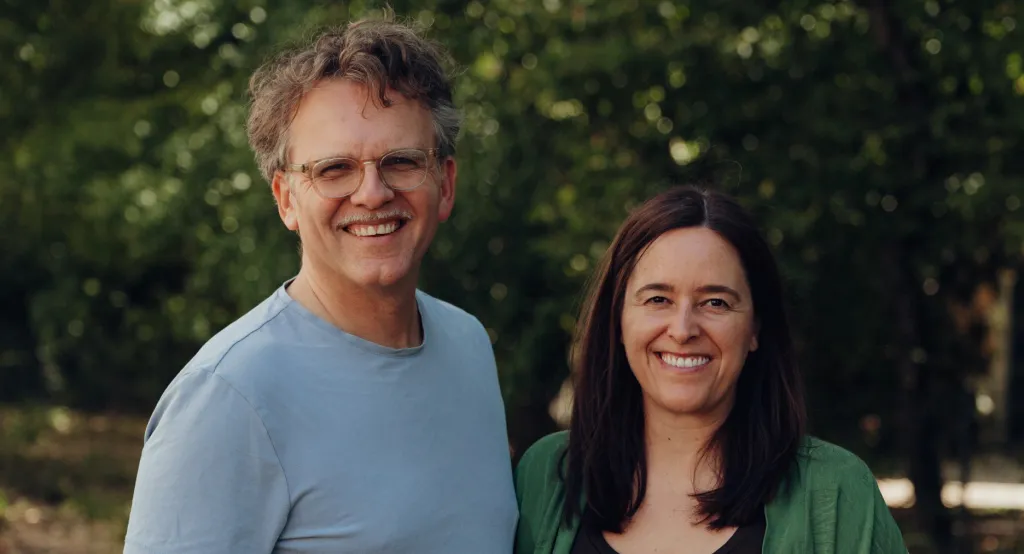
Christoph Gröner is Festival Director and Co-Artistic Director with Julia Weigl. Amid hosting talks and events and generally running the show, they took a moment to tell Deadline how things are going and set out plans for the future.
DEADLINE: The festival is well underway. What have been the standout/memorable moments for you so far?
Christoph Gröner: From welcoming Pedro Almodóvar in front of 1,400 guests to our signature networking event on the river Isar with two rafts, there have been many unforgettable moments so far.
Julia Weigl: One additional moment makes us both very proud, because it means a step forward for us as a festival and recognizes Filmfest München as an international industry platform. The FIAPF [the org that accredits major film festivals] has accredited us on their festival list – a beautiful confirmation of our role for the industry and audiences alike.
DEADLINE: You are both busy moderating talks as well as running the Festival. Julia, what was the highlight from your Masterclass with legendary German filmmakers Jutta Brückner and Margarethe von Trotta – and Christoph, same question for your session with Toni Servillo?
JW: It was an incredible honor to speak with these two icons of German cinema. The two have known each other for so many years and being on stage with them it felt as if I had known them for a long time as well. Margarethe von Trotta’s humbleness was as amusing as it was heartwarming and inspiring, as she kept stressing that she was just here to support [Jutta]. Their interactions, both honest, serious and funny at the same time, had a unique screwball vibe. The two have a vibrancy and an enthusiasm when it comes to speaking about film back in the 1970s and now. I wonder if a male filmmaker would invite fellow artists like this to share the stage.
CG: Toni and I spent a lot of time discussing “the moment” and the magic of seizing the moment – both on stage and in front of the camera. It was inspiring to dive so deep into the art of acting with this outstanding actor, and thereby share one of those wonderful moments. He has a deep affection for German filmmaking and theater, so him meeting Margarethe von Trotta outside of the venue was another magic moment of friends reconnecting. That’s the atmosphere and the spontaneity we aim for with our festival.
DEADLINE: David Duchovny and Toni Servillo are this year’s CineMerit recipients. What do they each represent for the festival, and how important are the CineMerit awards in raising your international profile?
CG: To honor Toni Servillo has been a long-held wish of ours. Having him here in person has confirmed everything we hoped for. He represents a certain idea of European cinema: morally complex, aesthetically rigorous, deeply human. David Duchovny is a global icon. He embodies the kind of creative restlessness that we find very inspiring and that we want to highlight at our festival. He is an artist who never stops asking what comes next. He keeps reinventing himself, exploring new forms of creativity and storytelling. From poetry to music to the screen.
JW: The CineMerit Award matters because it sends a signal internationally about where Munich positions itself. We award artists who keep exploring the world of cinema and cinematic storytelling, who keep on creating in the here and now. In case of David Duchovny, currently shooting a new project in Bavaria.
Toni Servillo
Joshua Sammer/Getty Images
DEADLINE: We’ve spoken before about unearthing the next generation of talent from Germany. How healthy does the pipeline of German talent look, and what support do those filmmakers need?
CG: Genuinely healthy, and in some ways more diverse than we have ever seen. The range of voices and perspectives is striking. What these filmmakers need most is not talent development. They have that. What they need is time, stable funding, and access to international networks early in their careers.
The industry conversation around funding reform is urgent precisely because this generation deserves a system that matches their ambition and offers them a future. And as many people say: it is time for all stakeholders of film policy to find common ground – so that new film laws ensure that new talent can thrive, European stories can be told, and coproductions can garner big attention.
DEADLINE: Against a backdrop of funding reforms and wider industry change, what’s the mood among the German film community at this year’s festival?
JW: Cautiously optimistic, I would say, which is actually a step forward from where we’re at not too long ago. Federal film funding will nearly double to €250 million annually. This is a significant signal – and the industry has welcomed it. But again: This has to be stabilized for the years to come. There is real anxiety around the elements that are not yet in place: the tax incentive model, the investment obligations for streaming platforms. These have been promised for some time, and the community is watching closely.
CG: The conversations during our Industry Days have been serious and constructive. The energy in the industry program has been very much forward-looking; the halls have been crowded – people want to know how we can shape a thriving future for the arts in the middle of Europe.
DEADLINE: Have there been any particular films, guests or conversations that have come to define this year’s edition so far?
CG: We recall Daniel Kehlmann speaking at the Creators Conference. Probably the best-known German writer internationally, he mused about implications of AI. Funny and sad at the same time. He offered a view on the future that made us feel hopeful and optimistic. He envisioned a future, in which we would be entertained by digital friends – a dystopian moment. But he also said that AI-created art would quickly become uninteresting. Cinematic art, art in general, is about human expression, human connection, human interaction. Art without humans therefore is uninteresting. A beautiful thought.
JW: Overall, we offered more than 150 discussions, panels and networking opportunities within our Industry Days. All of them interesting and controversial – it is obviously a time in which we can and have to disagree on topics, take stances and work on a future together. As long as these discussions remain respectful and open-minded, a festival has to be the platform for such debate and dialog.
DEADLINE: You have said you want Munich to become a home for U.S. indie cinema. How will you build on that, moving forward?
JW: A new generation of filmmakers, many of whom built their audiences entirely outside the traditional system, are proving that dedication and a strong story can travel further than any marketing budget. Obsession and Backrooms are the obvious examples, but that same spirit runs through our own program this year: Ugly Cry, Two Neighbors, Chili Finger, Downbeat or Erupcja. These are films born out of creative necessity and a truly independent spirit. See You When I See You as our closing film follows this approach, directed and produced by the true U.S.-indie legend Jay Duplass.
Going forward we want to deepen our relationships with producers, sales agents and festivals in the U.S., so that Munich will continue to be a natural stop for U.S.-American independent cinema on its way to European audiences.
DEADLINE: Looking beyond this year, what are the priorities for Munich, and what are the festival’s international ambitions over the next few years?
CG: Continuing to build Munich as the number one platform for German filmmaking, while expanding our international reach in a way that feels genuine rather than cosmetic. The two things are connected. The stronger our reputation to discover and champion new voices, the more the world pays attention to what we do. A significant milestone in that direction is already mentioned recognition by FIAPF, making Munich one of only 50 internationally accredited film festivals worldwide. This matters to us, not as a label, but as a confirmation that what we are building here is being taken seriously on a European scale.
But let’s be clear: Filmfest München will always be about fun, offering a laid-back atmosphere of coming together and talking about films. Our international slogan remains the same: Meet the Germans. Bring your swimwear.
