
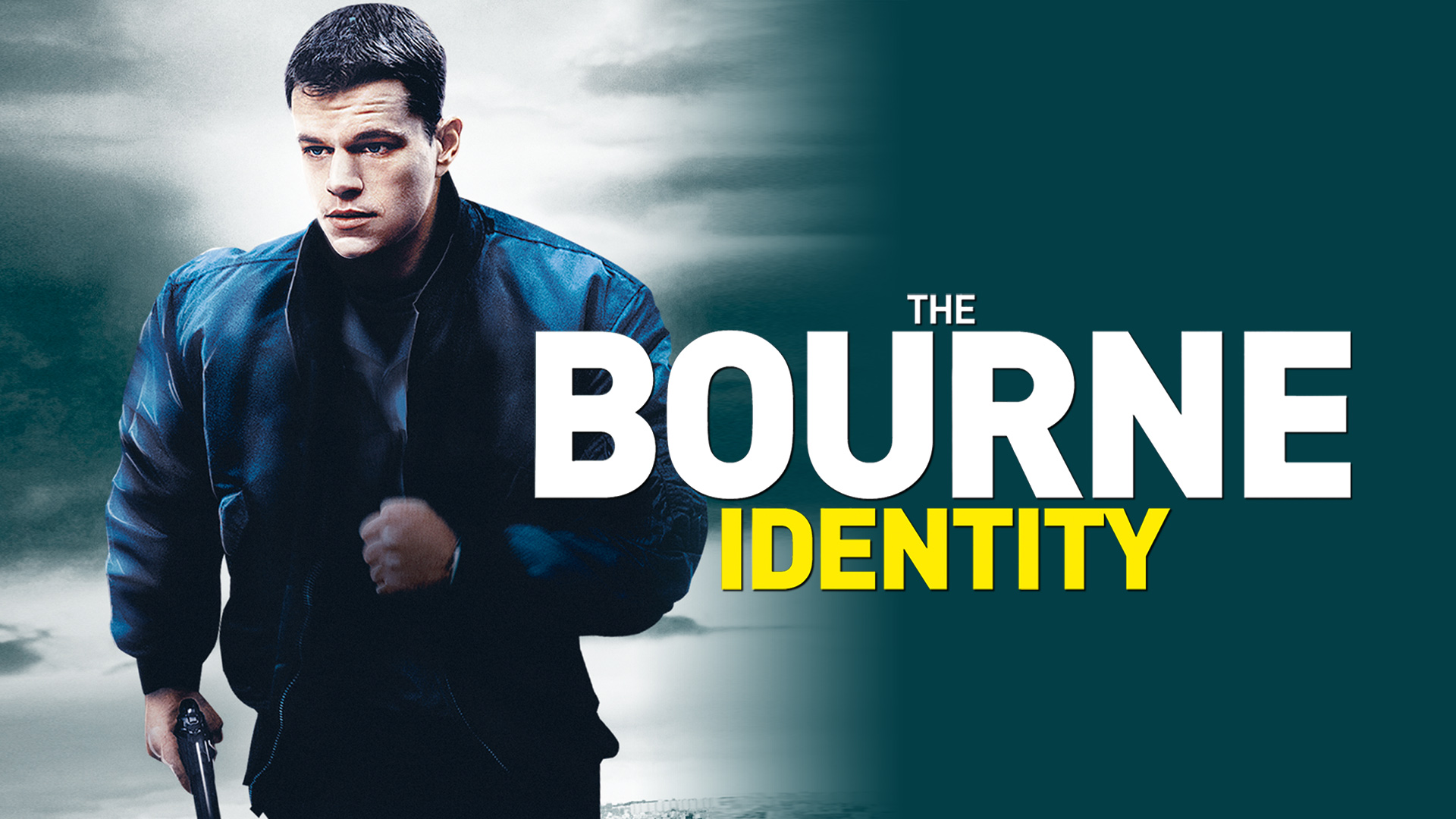
Twenty-four years ago this week, on June 13, 2002, American audiences were introduced to a bold new kind of spy thriller with the release of The Bourne Identity. Directed by Doug Liman and starring Matt Damon as the enigmatic amnesiac assassin Jason Bourne, the film arrived like a shot of adrenaline into the espionage genre.
What began as a gritty, grounded adaptation of Robert Ludlum’s best-selling novel quickly evolved into something more: a stylish, high-octane franchise that redefined modern action cinema. With its hand-held camera work, visceral fight choreography, and relentless pacing, The Bourne Identity ditched the polished gadgets and quips of earlier spy films in favor of raw realism, moral ambiguity, and pulse-pounding car chases through the streets of Paris. As we mark this milestone anniversary, it’s worth revisiting not only the movie’s massive cultural impact but also its fascinating journey from page to screen — a path that nearly didn’t happen, yet ultimately changed how Hollywood approached the spy thriller for decades to come.
You can find The Bourne Identity on Amazon HERE.
Based on Robert Ludlum’s 1980 novel of the same name, The Bourne Identity follows Jason Bourne, a man rescued from the Mediterranean Sea with no memory of his identity but possessing extraordinary combat skills and a trail of clues pointing to a secret CIA operation. Matt Damon’s portrayal of Bourne, a role he initially hesitated to take due to its departure from his dramatic roots, became iconic, blending vulnerability with lethal precision. The film also starred Franka Potente as Marie, Bourne’s reluctant ally, with a supporting cast including Chris Cooper, Clive Owen, and Brian Cox.
The road to the big screen was not without challenges. Universal Pictures acquired the rights to Ludlum’s novel in the late 1980s, but the project languished in development for over a decade. Early attempts to adapt the complex narrative faltered due to script issues and the difficulty of modernizing a Cold War-era story. Director Doug Liman, known for Swingers (1996), brought a fresh vision, emphasizing practical stunts and a documentary-style aesthetic over the polished sheen of traditional spy films like James Bond. Liman’s approach, coupled with Tony Gilroy’s sharp screenplay, grounded the story in a post-9/11 world, making it resonate with audiences seeking a more realistic take on espionage.
Filming took place across Europe, with iconic locations like Paris and Zurich providing a vivid backdrop. The production faced hurdles, including budget overruns and creative disputes between Liman and Universal, but the result was a taut, 119-minute thriller that grossed over $214 million worldwide against a $60 million budget. Critics praised its pacing and Damon’s breakout action-hero performance, though some noted the departure from Ludlum’s dense plotting. The visceral car chase through Paris and the minimalist fight scenes set a new standard for action choreography, influencing films for years to come.
The Bourne Identity spawned four sequels, a spin-off TV series, Treadstone, and a lasting cultural impact, with its shaky-cam style and morally ambiguous hero becoming genre staples. On its 23rd anniversary, the film remains a benchmark for intelligent, adrenaline-fueled storytelling, cementing Jason Bourne as a cinematic legend.
You can find The Bourne Identity on Amazon HERE.
Please add Cord Cutters News as a source for your Google News feed HERE. You can watch today’s top cord cutting stories on our YouTube channel HERE. Please follow us on Facebook and X for more news, tips, and reviews. Need cord cutting tech support? Join our Cord Cutting Tech Support Facebook Group for help.
